
Health-tested Giant Schnauzer stud dogs from verified owners
Bold, bearded and built for work, the largest of the three Schnauzers was bred to drive cattle and guard property in Bavaria. A dog with this much drive needs sound joints and a stable mind. On VerifiedStuds, every owner is identity verified, and each profile shows health results beside the fee.
$1,000 to $2,500+
estimated fee, while titled sires cost more
4 tests
hips, elbows, eyes and thyroid
Natural, chilled, frozen
breeding methods
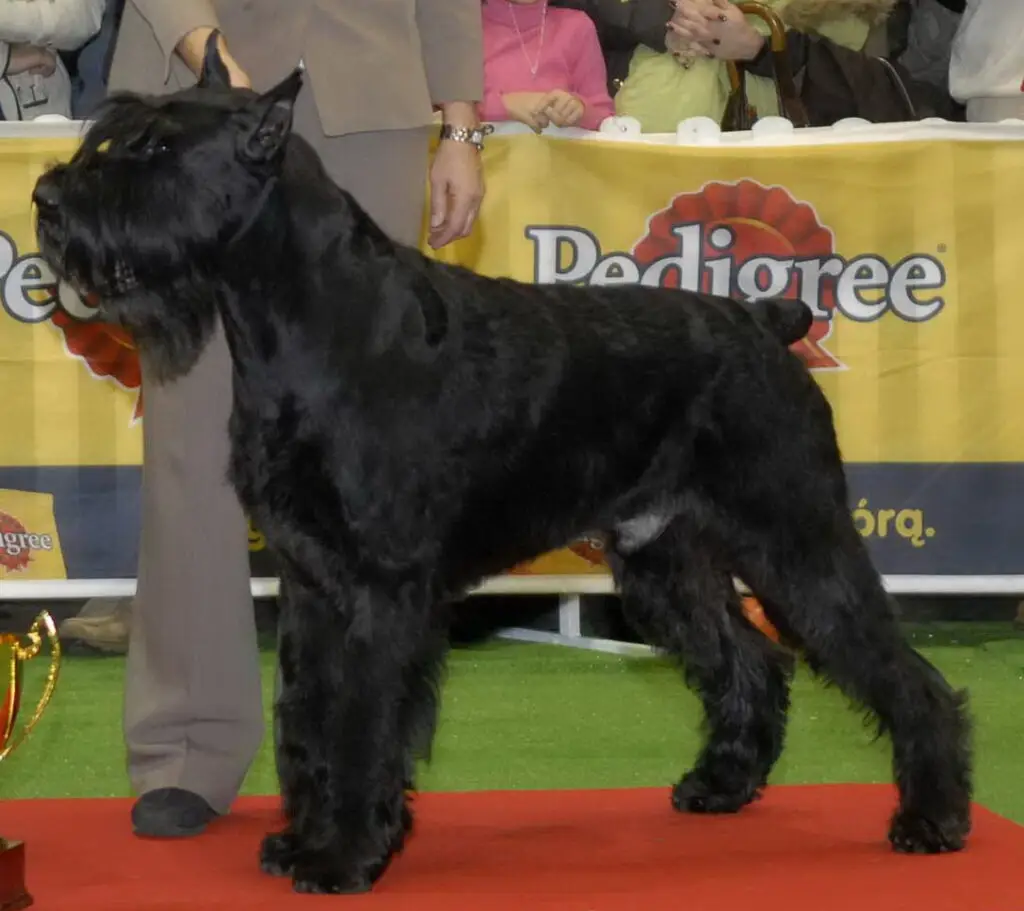
Giant Schnauzer profiles are opening now. Meanwhile, owners of health-tested males can claim a free Founding Stud spot.
Founding Stud spot open
Show his OFA hips, elbows, eye exam and thyroid result to breeders who are ready to book.
Claim this spotFounding Stud spot open
Founding Studs pay 0% commission on their first booking, and listing is also free.
Claim this spotFounding Stud spot open
Short on time? Then send us the documents, and we will build the listing for you.
Claim this spotGiant Schnauzer stud fees usually run from $1,000 to $2,500. A health-tested male with no proven litters often asks $1,000 to $1,500. However, show champions and dogs with working titles can ask $2,000 to $3,000.
These are market estimates, since fees are private. European working lines and show lines are priced by different buyers, so compare like with like. The stud fee guide explains contracts and return services.
$1,000 to $2,500+
Overall range (estimate): $1,000 to $3,000
Health-tested, unproven male: $1,000 to $1,500
Champion or working-titled sire: $2,000 to $3,000
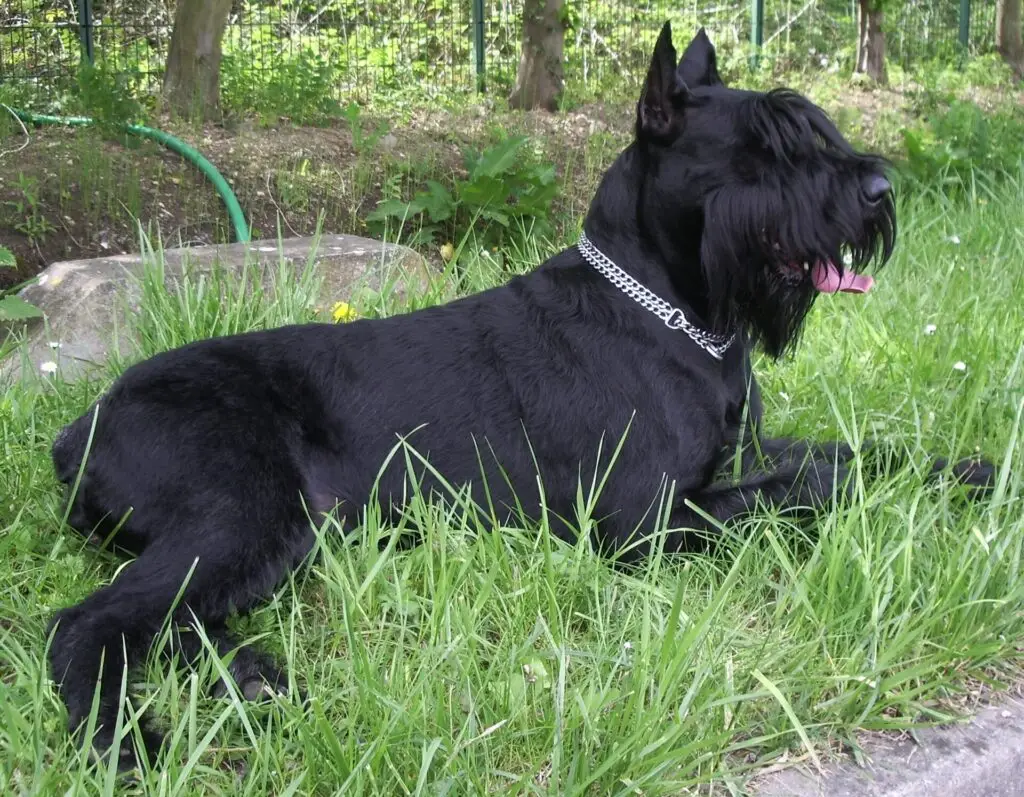
The Giant Schnauzer Club of America is the AKC parent club. A stud can carry our Verified Health badge when the owner uploads the results on its recommended list:
Test
What we accept
Hips
OFA hip evaluation or PennHIP
Elbows
OFA elbow evaluation
Eyes
Exam by a board-certified ophthalmologist
Thyroid
OFA thyroid evaluation
Brucellosis
Negative test taken before the breeding
In addition, DNA tests exist for several conditions in the breed, including a form of dilated cardiomyopathy and progressive retinal atrophy. Many breeders run them. Black dogs also have a higher rate of toe cancer, and bloat occurs as in other deep-chested breeds, although neither has a screening test. Registered results are public on the OFA website.
See our health testing guides for how each test works.
First, decide what you are breeding for. Show lines tend to be more elegant, with fuller furnishings. In contrast, working lines are bred for protection sports and police work, with very high drive. Therefore, pick a sire whose energy suits the homes you can find.
Next, ask about thyroid and cancer in his family. Autoimmune thyroid disease is common, and so are certain cancers. So ask what his parents and grandparents died of, and at what age.
Finally, test temperament in person. The standard calls for a spirited, reliable and composed dog. A sharp or unstable dog of this size and strength should not be bred.
The breed came from Bavaria, where farmers used it to drive cattle to market. Later it guarded breweries and stockyards, and then it joined the police. The AKC describes it as loyal, alert and trainable. Males stand 25.5 to 27.5 inches. The coat is solid black or pepper and salt.
At home, the breed is devoted and playful with its family. However, it needs hard daily exercise, firm training and regular stripping or clipping. As a result, it is not a dog for first-time owners.
Giant Schnauzers usually breed naturally. However, breeders often import European lines, so chilled and frozen semen are both common. Each profile lists the methods on offer.
The dog artificial insemination guide explains timing and shipping. Then see how VerifiedStuds works.
1
First, shortlist studs and message owners through the site to agree on dates and terms.
2
Then book the stud and pay the listed fee by card at checkout.
3
After that, accept the breeding terms before the booking confirms.
4
Finally, the owner is paid through Stripe, and you can leave a verified review after the breeding.
Own a Giant Schnauzer stud? List Your Stud free. The first 100 studs pay no commission on their first booking.
Also compare Miniature Schnauzer studs, Doberman Pinscher studs, Rottweiler studs and Airedale Terrier studs, or see every breed on our stud dogs by breed page. Planning his workload? Then read our guide to how often a stud can breed.
How much is a Giant Schnauzer stud fee?
Most owners charge $1,000 to $2,500. However, champions and working-titled sires can ask up to $3,000. These figures are estimates.
What health tests should a Giant Schnauzer stud have?
Hips, elbows, an eye exam and a thyroid evaluation, plus a recent negative brucellosis test. DNA tests are a useful extra.
At what age can a Giant Schnauzer be used at stud?
Most breeders wait until two years, because OFA gives final hip and elbow ratings at 24 months.
Are Giant Schnauzers the same breed as Miniature Schnauzers?
No. The three Schnauzers are separate breeds with separate studbooks, and they are not bred together.
How do I list my Giant Schnauzer at stud?
Create a free account, upload his health results and photos, and set your fee. Or let our team build the listing.
List him free while the 100 Founding Stud spots are open, or compare typical fees first.