
Doberman stud dogs with heart and DNA results on file
In Dobermans, the heart comes first. Dilated cardiomyopathy is common in the breed, so a careful breeder studies the sire and his relatives closely. VerifiedStuds shows each stud's heart, hip, thyroid and DNA results up front, and every owner is identity verified.
$800 to $2,500+
typical fee, while European imports cost more
5 health tests
on the Doberman Pinscher Club of America list
Natural, chilled, frozen
breeding methods
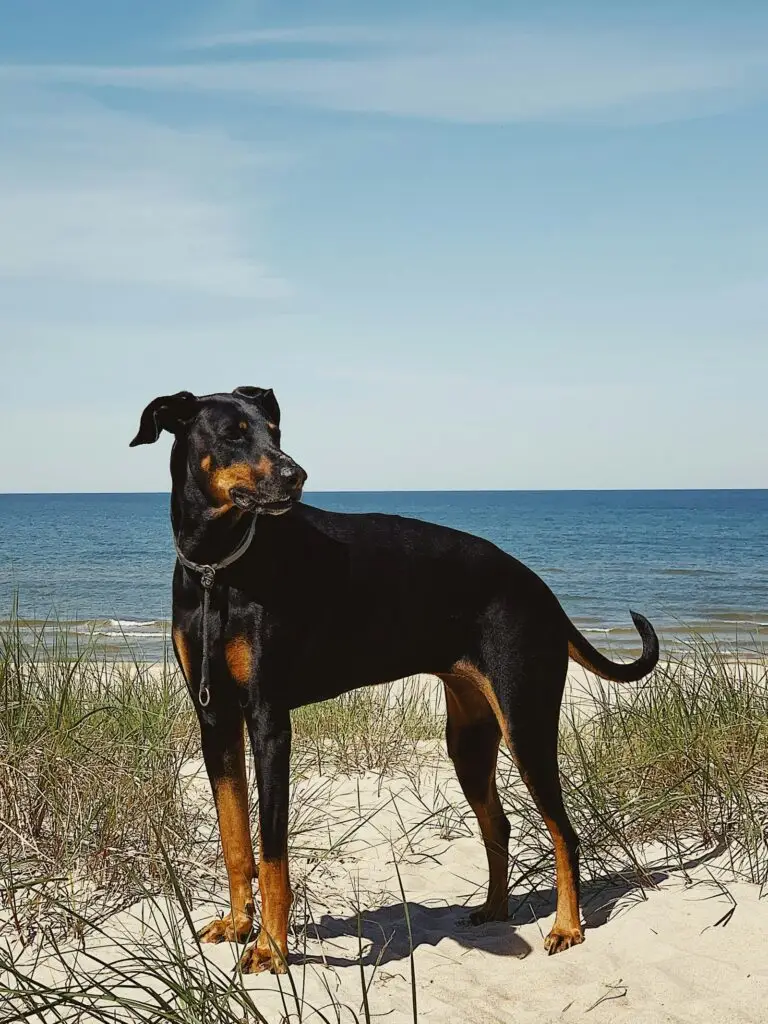
Doberman profiles are being added as owners finish verification. In the meantime, Founding Stud spots are open to males with current health tests.
Founding Stud spot open
Share his latest echo and Holter dates, vWD status and titles with breeders before the first message.
Claim this spotFounding Stud spot open
Founding Studs pay 0% commission on their first booking, and listing is also free.
Claim this spotFounding Stud spot open
Short on time? Then send us the documents, and we will build the listing for you.
Claim this spotDoberman stud fees typically fall between $800 and $2,500. An untitled male with full health testing often charges $800 to $1,500. Meanwhile, AKC champions, working-titled dogs and European imports tend to ask $2,000 to $3,500.
Please treat these as market estimates, because stud prices are private. Older proven males with healthy hearts are especially valued, so age can raise a fee rather than lower it. Our stud fee guide explains flat fees, puppy-back deals and return services.
$800 to $2,500+
Overall range: $800 to $3,500
Health-tested, untitled male: $800 to $1,500
Champion, titled or imported male: $2,000 to $3,500
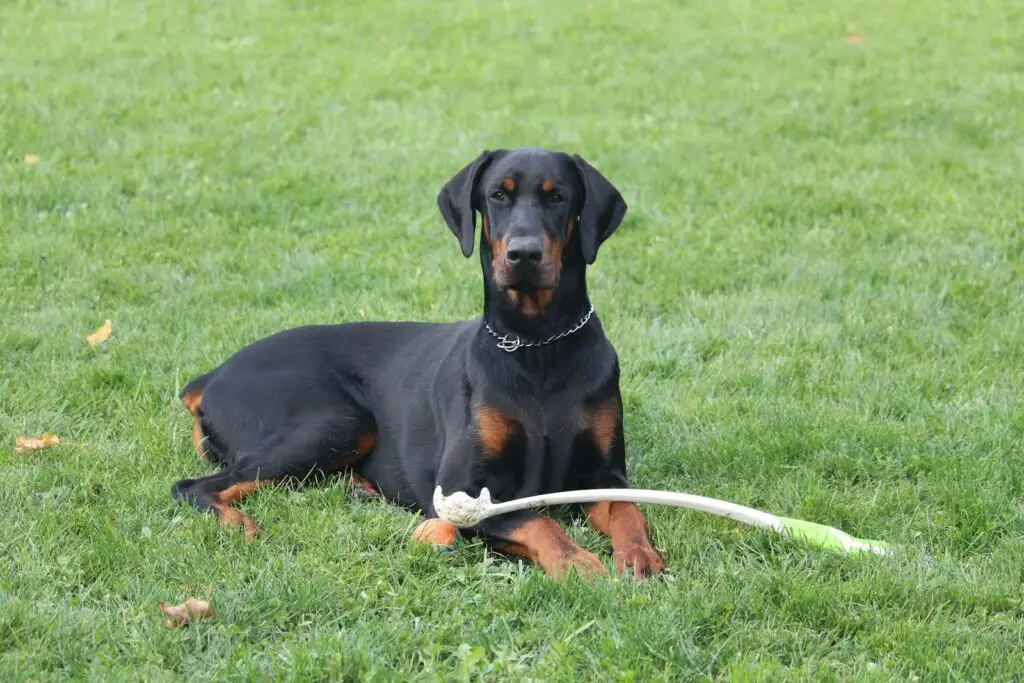
The Doberman Pinscher Club of America sets the breed's testing list, which the AKC shows on its Working Group health testing page. Owners upload the following results for the Verified Health badge:
Test
What we accept
Heart
Echocardiogram and 24-hour Holter monitor, repeated yearly
Hips
OFA hip evaluation or PennHIP
Eyes
Exam by a board-certified ophthalmologist (ACVO)
Thyroid
OFA thyroid panel from an approved lab
vWD
Von Willebrand Disease type 1 DNA test
Brucellosis
Negative test taken before the breeding
One clear heart test is not a lifetime pass. Therefore, most breeders repeat the echocardiogram and a 24-hour Holter monitor every year. DNA tests for the DCM variants exist too, but they only show risk, not certainty. You can look up registered results on the OFA website.
For a plain-language primer on OFA, CHIC and DNA panels, see our health testing guides. Read the full Doberman Pinscher health testing guide.
First, ask about longevity. How old were his parents and grandparents when they died, and what was the cause? The parent club even awards a Longevity Certificate to Dobermans that reach ten years. So a pedigree full of long-lived dogs is worth more than a ribbon.
Next, check the dates on his heart tests. A Holter and an echo from the past twelve months tell you far more than old results. Also confirm his vWD status, because two carriers can produce affected puppies that bleed easily.
Finally, judge temperament and type. A Doberman should be alert, steady and attached to his people. The club's Working Aptitude Evaluation is a useful sign of stable nerves. In addition, avoid lines that carry the albino gene, which the parent club advises against breeding.
The AKC describes the Doberman Pinscher as loyal, fearless and alert. Louis Dobermann, a tax collector in Apolda, Germany, created the breed around 1890 as a personal protector. Males stand 26 to 28 inches tall and weigh about 75 to 100 pounds.
Today the Doberman ranks 15th in AKC registrations. It is sleek, fast and very people-focused. However, its health problems are well known, so thoughtful sire selection makes a real difference to each litter.
Dobermans usually mate naturally. Even so, frozen semen plays a special role in this breed. Because heart disease often appears late, some breeders use semen stored from males that stayed healthy into old age. Chilled semen is also popular for long-distance breedings, and each profile lists what the owner offers.
To learn about timing and shipping, read the dog artificial insemination guide. After that, see how VerifiedStuds works.
1
First, shortlist studs and message owners through the site to agree on dates and terms.
2
Then book the stud and pay the listed fee by card at checkout.
3
After that, accept the breeding terms before the booking confirms.
4
Finally, the owner is paid through Stripe, and you can leave a verified review after the breeding.
Own a Doberman stud? List Your Stud free. The first 100 studs pay no commission on their first booking.
Also compare German Shepherd studs, Belgian Malinois studs, Rottweiler studs and Rhodesian Ridgeback studs, or see every breed on our stud dogs by breed page. Planning his workload? Then read our guide to rest between breedings. Owners of every breed can list here.
What is the usual Doberman stud fee?
Most owners charge $800 to $2,500. However, champions, working-titled males and European imports may ask up to $3,500.
What health tests should a Doberman stud have?
The parent club list covers the heart, hips, eyes, thyroid and a vWD DNA test. Additionally, we ask for a negative brucellosis test before each breeding.
How often should a stud's heart be checked?
Most Doberman breeders repeat the echocardiogram and Holter monitor every year. Ask your veterinary cardiologist what suits your dog.
Does a clear DCM DNA test mean a healthy heart?
No. The known variants only raise or lower risk. Therefore, yearly heart screening and family history still matter most.
Are only some breeds allowed on the site?
No. Owners of any breed can list a stud. New breed pages are simply published in batches.
How do I list my Doberman at stud?
Sign up free, upload his health results, pedigree and photos, and then choose your fee and methods. If you like, we can build the listing for you.
Then list him free while the 100 Founding Stud spots are open, or compare fees by breed first.