
Bernese Mountain Dog stud dogs chosen for health and long life
Berners are loved for their calm, sweet nature. Sadly, they are also known for short lives and a high cancer rate. So breeders look for sires from long-lived families with sound joints. VerifiedStuds shows those details on each verified stud profile.
$1,000 to $2,500+
typical fee, while champion sires cost more
6 CHIC items
set by the Bernese Mountain Dog Club of America
Natural, chilled, frozen
breeding methods
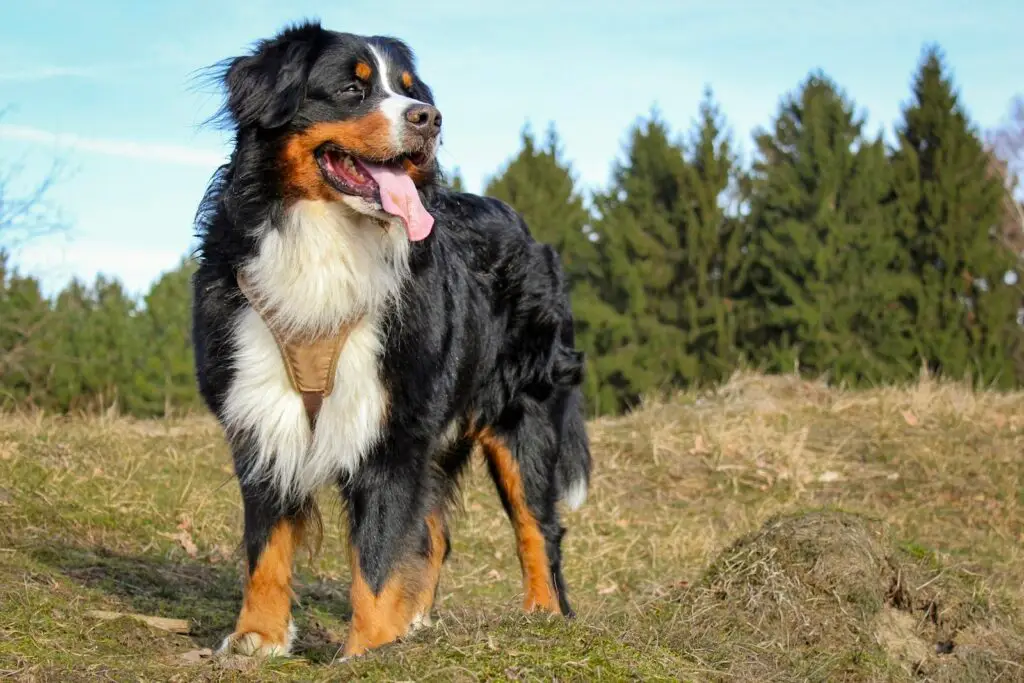
Our first Berner profiles are being checked now. Until then, Founding Stud spots stay open for owners of fully tested males.
Founding Stud spot open
Show his OFA joints, DM status and the ages of his parents to breeders who care about longevity.
Claim this spotFounding Stud spot open
Founding Studs pay 0% commission on their first booking, and listing is also free.
Claim this spotFounding Stud spot open
Short on time? Then send us the documents, and we will build the listing for you.
Claim this spotBernese stud fees commonly run from $1,000 to $2,500. A fully tested male without titles usually charges $1,000 to $1,800. Meanwhile, champions and proven sires from long-lived lines often ask $2,000 to $3,500.
These figures are market estimates, since owners set fees privately. Berner litters can be large, so some owners charge per puppy or ask for a puppy back instead. Our stud fee guide explains those options and what to write into the contract.
$1,000 to $2,500+
Overall range: $1,000 to $3,500
Fully tested, untitled male: $1,000 to $1,800
Champion or proven long-lived lines: $2,000 to $3,500
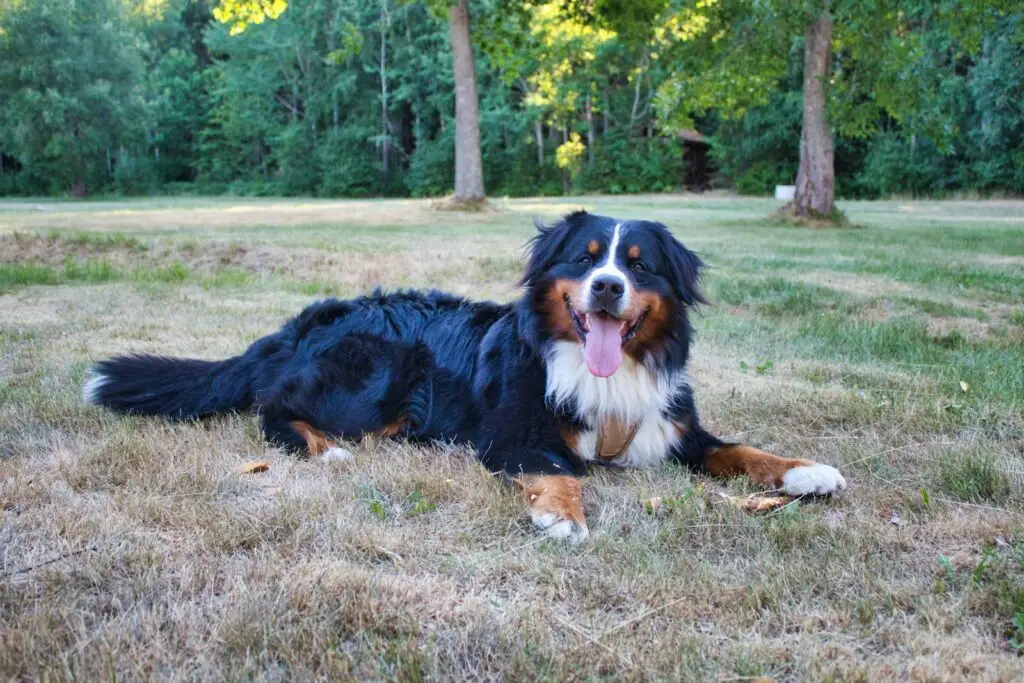
The Bernese Mountain Dog Club of America sets the CHIC list, and the AKC repeats it on its Working Group health testing page. Owners upload these results for the Verified Health badge:
Test
What we accept
Hips
OFA hip evaluation or PennHIP
Elbows
OFA elbow evaluation
Heart
Cardiac exam registered with OFA
Eyes
Exam by a board-certified ophthalmologist (ACVO)
DM
Degenerative Myelopathy DNA tests for both variants (SOD1-A and SOD1-B)
DNA profile
AKC DNA profile on file
Brucellosis
Negative test taken before the breeding
Bernese have two separate DM variants, so both DNA tests are needed. In addition, most serious breeders record their dogs in the open Berner-Garde database. There you can read the health and age at death of a stud's relatives. Registered clearances also appear on the OFA website.
New to hip scores and DNA results? Then our health testing guides are a good place to begin. Read the full Bernese Mountain Dog health testing guide.
First, study longevity. Many Berners die before the age of eight, and cancer is the leading cause. So ask how long the stud's parents, grandparents and siblings lived. Then confirm the answers in Berner-Garde.
Next, check his joints. Hip and elbow dysplasia are common in heavy breeds, and elbows are a particular weak point here. A stud with normal elbows and good hips, from parents with the same, is a strong choice.
Finally, look at temperament and build. The standard calls for a sturdy, balanced dog that is confident and good-natured. Shy or nervous Berners exist, so meet the dog if you can. Also consider his age, because an older, healthy sire is real proof of quality.
The AKC describes the Bernese Mountain Dog as good-natured, calm and strong. The breed worked on farms in the Swiss canton of Bern, where it pulled carts and drove cattle. Males stand 25 to 27.5 inches tall and weigh 80 to 115 pounds.
Berners ranked 20th in AKC registrations for 2025. They are gentle with children and devoted to their families. However, the breed's health record means that every litter should be planned with care.
Berners can mate naturally, although their size and heavy coat sometimes make it awkward. Therefore, many owners use artificial insemination with fresh or chilled semen. Frozen semen matters in this breed too, because it lets breeders use males that proved to be long-lived. Each profile shows the methods offered.
For help with timing and shipping, read the dog artificial insemination guide. Then see how VerifiedStuds works.
1
First, shortlist studs and message owners through the site to agree on dates and terms.
2
Then book the stud and pay the listed fee by card at checkout.
3
After that, accept the breeding terms before the booking confirms.
4
Finally, the owner is paid through Stripe, and you can leave a verified review after the breeding.
Own a Bernese stud? List Your Stud free. The first 100 studs pay no commission on their first booking.
Also compare Newfoundland studs, Saint Bernard studs, Shiba Inu studs and Samoyed studs, or see every breed on our stud dogs by breed page. Planning his workload? Then read our guide to the signs of overuse. Owners of every breed can list here.
How much is a Bernese Mountain Dog stud fee?
Most fees fall between $1,000 and $2,500. However, champions and proven sires from long-lived lines can charge up to $3,500.
What health tests should a Bernese stud have?
The parent club list covers hips, elbows, heart, eyes, two DM DNA tests and an AKC DNA profile. Additionally, we ask for a negative brucellosis test.
What is Berner-Garde?
It is a free, open database run by the Berner-Garde Foundation. Breeders use it to research health and lifespan across a pedigree.
Is there a test for cancer risk in Berners?
A genetic pretest for histiocytic sarcoma risk exists, and some breeders use it. However, it shows risk only, so family history still matters. Ask your vet for guidance.
Is the site only for certain breeds?
No. Any breed can be listed. We publish the breed pages in batches.
How do I list my Berner at stud?
Sign up free, upload his clearances, pedigree and photos, and set your fee. Or send us the documents, and our team will build the listing.
List him free while the 100 Founding Stud spots are open, or review typical fees first.