
Saint Bernard stud dogs with sound joints and hearts
Few dogs are as famous as the Saint Bernard, the Alpine rescuer with the huge head and the kind eyes. Breeding one well is harder than it looks, because size puts great strain on joints and heart. So VerifiedStuds shows each stud's clearances, coat type and fee, with an identity-verified owner.
$800 to $2,000+
typical fee, while champion sires cost more
5 health tests
on the Saint Bernard Club of America list
Natural, chilled, frozen
breeding methods
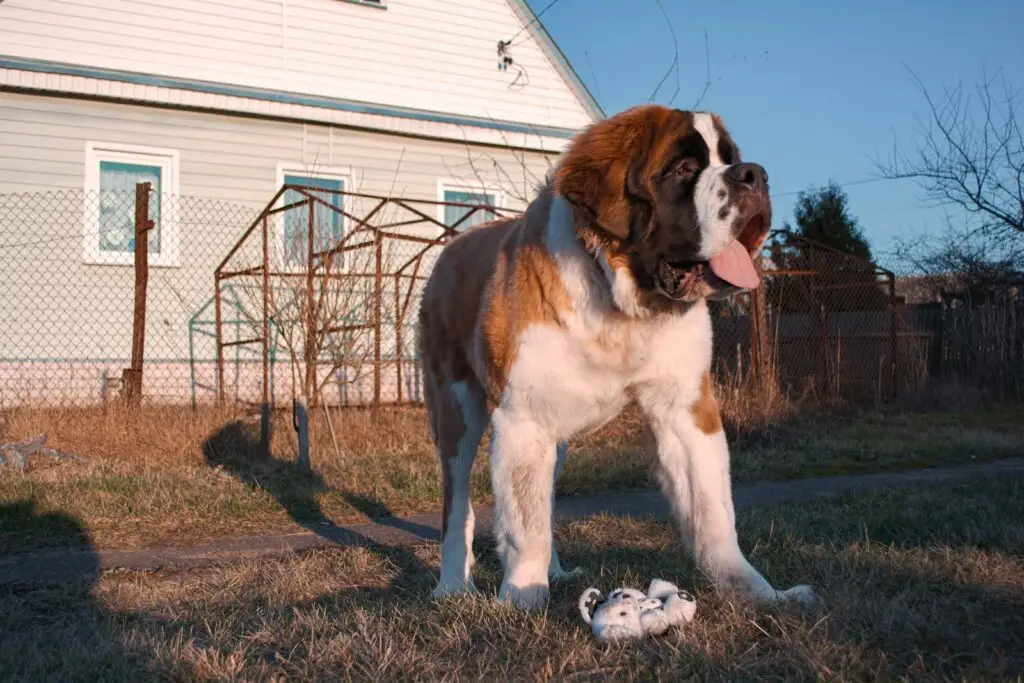
Saint profiles are opening now. Meanwhile, owners of fully tested males can claim a free Founding Stud spot.
Founding Stud spot open
Show his hips, elbows, heart and eye results, and say whether he is short or long coated.
Claim this spotFounding Stud spot open
Founding Studs pay 0% commission on their first booking, and listing is also free.
Claim this spotFounding Stud spot open
Short on time? Then send us the documents, and we will build the listing for you.
Claim this spotSaint Bernard stud fees usually run from $800 to $2,000. A health-tested male without titles often charges $800 to $1,500. However, AKC champions and proven sires from established kennels commonly ask $2,000 to $3,000.
These are market estimates, since fees are private. Because litters can be large, some owners charge per puppy. Our stud fee guide explains how each arrangement works.
$800 to $2,000+
Overall range: $800 to $3,000
Health-tested, untitled male: $800 to $1,500
Champion or proven kennel sire: $2,000 to $3,000
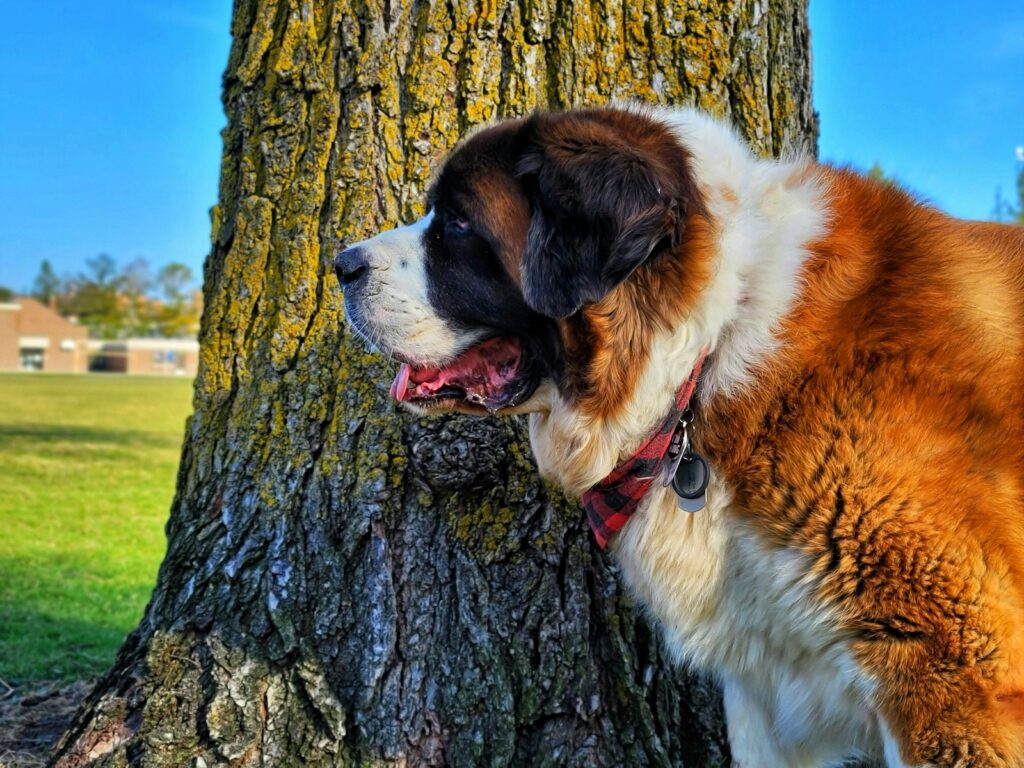
The Saint Bernard Club of America sets five tests, and the AKC lists them on its Working Group health testing page. Owners upload these results for the Verified Health badge:
Test
What we accept
Hips
OFA hip evaluation or PennHIP
Elbows
OFA elbow evaluation
Heart
Cardiac exam registered with OFA
Eyes
Exam by a board-certified ophthalmologist (ACVO)
DM
Degenerative Myelopathy DNA test
Brucellosis
Negative test taken before the breeding
Joints come first in a dog this heavy, so look for good hips and normal elbows. Eyelids matter too, because drooping or rolled lids often need surgery. In addition, bloat and bone cancer are known risks with no screening test. Therefore, ask how long his relatives lived. Registered results are on the OFA website.
Our health testing guides explain hip, elbow, heart and eye results.
First, watch him move. A good Saint is powerful but not clumsy, with a strong, level back and straight legs. Bigger is not better. In fact, the heaviest dogs often have the worst joints and the shortest lives.
Next, look at the head and eyes. The breed should have a massive head with a kind expression. However, the eyelids should fit reasonably well, without deep haws that collect dirt. Also check that he breathes easily in warm weather.
Finally, pick the coat. Saints come in short and long coats, and the two are bred together freely. The short coat is the original type from the Alpine hospice. Either way, temperament must be calm and trustworthy, given the size of the dog.
The AKC describes the Saint Bernard as playful, charming and inquisitive. Monks at the hospice on the Great Saint Bernard Pass, in the Swiss Alps, bred these dogs to find travelers lost in the snow. The most famous, Barry, is credited with saving more than 40 people.
Males stand 28 to 30 inches tall and weigh 140 to 180 pounds. They are patient and gentle with families. Because giant puppies grow fast, sound parents and careful feeding both matter.
Saint Bernards can breed naturally, but their bulk and their dislike of heat make it tiring. For that reason, artificial insemination is common in giant breeds. Chilled semen also saves a long journey. Each profile lists the methods the owner offers.
See the dog artificial insemination guide for the process. Then read how VerifiedStuds works.
1
First, shortlist studs and message owners through the site to agree on dates and terms.
2
Then book the stud and pay the listed fee by card at checkout.
3
After that, accept the breeding terms before the booking confirms.
4
Finally, the owner is paid through Stripe, and you can leave a verified review after the breeding.
Own a Saint Bernard stud? List Your Stud free. The first 100 studs pay no commission on their first booking.
Also compare Great Pyrenees studs, Alaskan Malamute studs, Newfoundland studs and Bernese Mountain Dog studs, or see every breed on our stud dogs by breed page. Planning his workload? Then read our guide to how often a stud can breed. Owners of every breed can list here.
How much is a Saint Bernard stud fee?
Most owners charge $800 to $2,000. However, champions and proven kennel sires can ask up to $3,000.
What health tests should a Saint Bernard stud have?
The parent club list covers hips, elbows, heart, eyes and the DM DNA test. We also require a negative brucellosis test.
Can short and long coated Saints be bred together?
Yes. Both coats belong to one breed, and litters can contain either type, depending on the genes of the parents.
How long do Saint Bernards live?
Usually eight to ten years. Therefore, ask about the lifespan of a stud's parents and grandparents.
Can other mountain breeds be listed?
Yes. Every breed is welcome on VerifiedStuds.
How do I list my Saint Bernard at stud?
Sign up free, upload his clearances and photos, and set your fee. Or send us the documents, and we will build the listing.
List him free while the 100 Founding Stud spots are open, or compare typical fees first.