
A breeder's guide to Yorkshire Terrier health testing
Small dogs have small-dog problems: loose kneecaps, fragile windpipes and livers that sometimes form the wrong plumbing. Screening helps with several of them. This VerifiedStuds guide explains the tests the parent club lists, the extras worth adding, and what we require for the Verified Health badge.
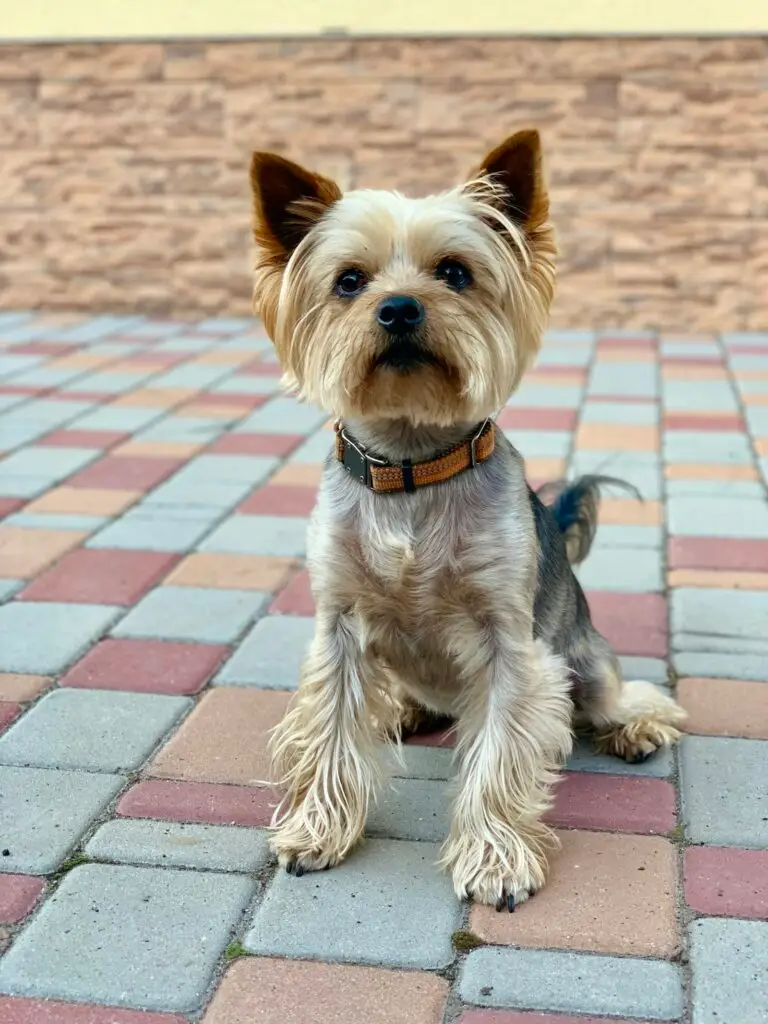
The Yorkshire Terrier Club of America is the AKC parent club. Its list, as published by the AKC, has two exams:
Clearance
Who does it
Earliest final result
Patellas
Veterinary exam, registered with OFA
12 months
Eyes
Board-certified veterinary ophthalmologist
Any age; valid 12 months
A luxating patella is a kneecap that slips out of its groove. Vets grade it from 1 to 4. In contrast, a normal result means the kneecaps stay in place. Because the condition is strongly inherited in toy breeds, it heads the list.
Bile acid test: a blood test that screens for a liver shunt, which Yorkies get more often than almost any other breed.
Hip x-ray for Legg-Calve-Perthes: a disease where the head of the thigh bone breaks down in young dogs.
prcd-PRA and PLL DNA tests: two inherited eye diseases with simple lab tests.
Thyroid panel: useful in lines where thyroid disease has appeared.
Tracheal collapse is common in the breed, and no clearance exists for it. Similarly, there is no test for retained baby teeth and low blood sugar in tiny puppies. Therefore, family history matters. Ask whether the stud or his parents cough, honk or have needed surgery.
Size matters as well. The breed standard says a Yorkie must not exceed seven pounds, but very tiny dogs carry more health risk. So "teacup" is a sales word, not a variety, and a slightly larger stud is often the safer choice for a small female.
Brucellosis spreads through mating and has no reliable cure. Therefore, the AKC advises testing stud dogs every six months and females before each breeding. In addition, VerifiedStuds asks for a negative test before every booking. Read brucellosis in dogs for the details.
Ask for his registered name, then look up his patella and eye results in the public OFA database.
Request his adult weight, as well as the weights of his parents.
Find out whether he has had a bile acid test, and whether any relative had a liver shunt.
Finally, check his teeth and his breathing when you meet him.
Next steps: Yorkshire Terrier studs · Stud fee guide · Find a health-tested stud · List Your Stud
What health tests should a Yorkshire Terrier have before breeding?
A patella exam and an eye exam, plus a negative brucellosis test. Many breeders add a bile acid test and DNA tests.
What is a liver shunt in Yorkies?
It is a blood vessel that bypasses the liver, so toxins build up. A bile acid blood test screens for it.
What is a luxating patella?
A kneecap that slips out of place. Vets grade it from 1 to 4, and breeding dogs should have normal knees.
Are teacup Yorkies a separate variety?
No. There is only one Yorkshire Terrier. Very small dogs simply carry more health risk.
What does VerifiedStuds require for Yorkie studs?
Patellas and a current eye exam, with a negative brucellosis test, for the Verified Health badge.
Sources: Yorkshire Terrier Club of America, AKC Toy Group health testing requirements, OFA CHIC program.
The first 100 studs pay 0% commission on their first booking, and listing is free.