
Brucellosis in dogs: a guide for breeders and stud owners
One infected dog can end a breeding program. Canine brucellosis passes between dogs at mating, causes lost litters and infertility, and is very hard to clear. This VerifiedStuds guide explains the disease, the blood tests and why we require a recent negative result before every booking.
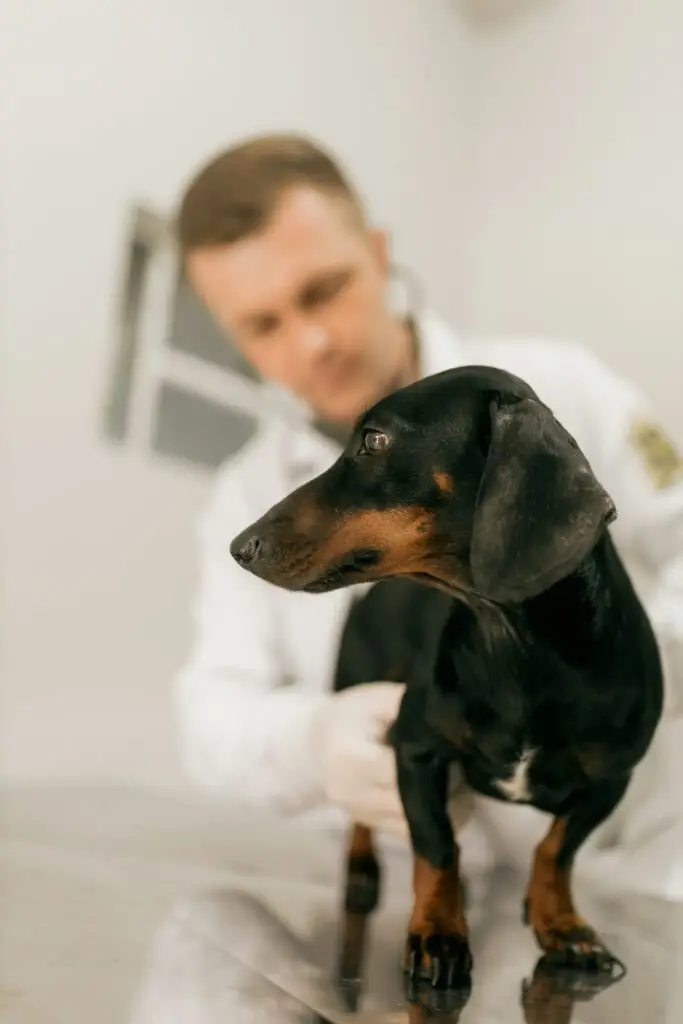
Canine brucellosis is an infection caused by the bacterium Brucella canis. It settles in the reproductive organs and lymph nodes. After infection, the bacteria can stay in the body for years.
The disease occurs across the United States. It is more common in the South, in stray dogs and in kennels that skip testing. In addition, it is zoonotic, which means people can catch it from dogs. Human cases are uncommon, but those who handle breeding dogs, newborn puppies or birth fluids have the highest risk.
Mating. Semen and vaginal fluids carry large numbers of bacteria, so breeding is the main route.
Birth and miscarriage. Fluids, placentas and aborted puppies are highly infectious.
Urine and other fluids. Dogs can pick it up by sniffing or licking contaminated material.
From mother to puppies, in the womb or through milk.
Artificial insemination. Fresh, chilled and frozen semen can all carry the bacteria, so AI does not remove the risk.
For that reason, both the male and the female need a test, whatever the breeding method.
Many infected dogs look perfectly healthy. That is what makes the disease dangerous. When signs do appear, they are mostly reproductive.
In females
In males
Late miscarriage, often at 45 to 55 days
Swollen or painful testicles
Stillborn or weak puppies
Shrunken testicles later on
Failure to conceive
Poor semen quality and infertility
Lasting vaginal discharge
Inflamed scrotal skin
Both sexes can also show swollen lymph nodes, back pain, tiredness or eye inflammation. However, none of these signs is specific, so only a test can confirm it.
Testing usually happens in two steps. First comes a screening test on a blood sample, most often the rapid slide agglutination test (RSAT). It is fast and rarely misses an infected dog. A negative result is therefore reliable, as long as the dog was not infected in the past few weeks.
However, the screening test gives some false positives. So a positive result needs confirmation by a second method, such as the agar gel immunodiffusion test (AGID), a PCR test or a culture. Cornell University's diagnostic lab, for example, combines several of these in one panel.
Because antibodies take time to appear, a dog exposed recently may still test negative. As a result, vets advise testing again four to six weeks after any risky contact.
Before every breeding. Test both dogs within a few weeks of the mating or insemination.
Stud dogs in regular use: every six months, in line with university and AKC guidance.
New dogs entering a kennel: test on arrival, keep them apart, and test again a month later.
After any lost litter or unexplained infertility.
On VerifiedStuds, we ask for a negative brucellosis test before each booking. In addition, stud owners can upload the dated result to their profile, so the female's owner can see it.
There is no reliable cure. Long courses of antibiotics lower the bacteria but often fail to clear them, and relapses are common. Therefore, vets recommend that owners never breed an infected dog again. Neutering and long-term treatment are sometimes used for pets, while some authorities advise euthanasia in kennel outbreaks.
In many states, vets must report a confirmed case to animal health officials. Rules differ, so ask your vet what applies where you live. This page is general information, not veterinary or legal advice.
Brucellosis is the one test every breed shares. The other clearances depend on the breed, such as hips, eyes, heart and DNA. See the health testing guides for each list, and read how to find a stud dog for the questions to ask.
Ready to breed? Then find a health-tested stud and compare prices in the stud fee guide. Stud owners can list their stud free.
How often should a stud dog be tested for brucellosis?
Every six months if he is used regularly, and before each breeding. Many female owners ask for a test dated within the past 30 days.
Can brucellosis in dogs be cured?
Not reliably. Antibiotics may reduce the infection, but relapses are common, so infected dogs should not be bred.
Can humans catch brucellosis from dogs?
Yes, although it is uncommon. People with weak immune systems, children and those handling birth fluids face the most risk.
Does artificial insemination prevent brucellosis?
No. Semen can carry the bacteria whether it is fresh, chilled or frozen. Therefore, both dogs still need testing.
What does a brucellosis test cost?
A screening test is usually inexpensive, often well under $100 at a vet clinic. Prices vary, so ask your vet.
Sources: Cornell University Riney Canine Health Center, canine brucellosis, American Kennel Club, canine brucellosis, Merck Veterinary Manual, brucellosis in dogs, CDC, brucellosis.
Every booking on VerifiedStuds asks for a recent negative brucellosis test.