
Poodle stud dogs in Standard, Miniature and Toy sizes
One breed, three sizes, and three different health lists. That is why choosing a Poodle sire takes a little homework. On VerifiedStuds every stud profile states the size, color, DNA results and health clearances, and each owner is identity verified.
$500 to $2,000+
typical fee, while champion sires cost more
3 sizes
each with its own Poodle Club of America test list
Natural, chilled, frozen
breeding methods
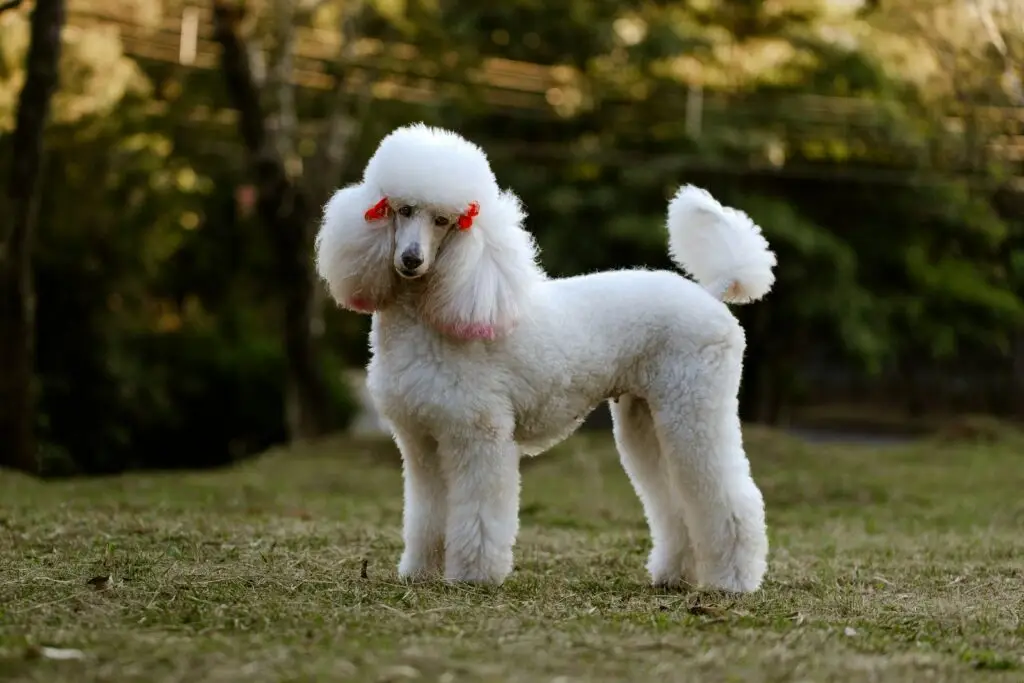
The first Poodle profiles are on the way. Meanwhile, Founding Stud spots are open for Standard, Miniature and Toy males with health results.
Founding Stud spot open
State his size, color genes and clearances, and say whether you accept other breeds, such as doodle pairings.
Claim this spotFounding Stud spot open
Founding Studs pay 0% commission on their first booking, and listing is also free.
Claim this spotFounding Stud spot open
Short on time? Then send us the documents, and we will build the listing for you.
Claim this spotPoodle stud fees mostly fall between $500 and $2,000. A health-tested male without titles often charges $500 to $1,200. However, AKC champions, proven sires and males with sought-after colors can ask $1,500 to $3,000.
Treat these as market estimates, because fees are set privately. Size matters less than quality, although Standards from tested show lines sit at the top. Our stud fee guide covers flat fees, puppy-back deals and repeat breedings.
$500 to $2,000+
Overall range: $500 to $3,000
Health-tested, untitled male: $500 to $1,200
Champion, proven or rare-color sire: $1,500 to $3,000
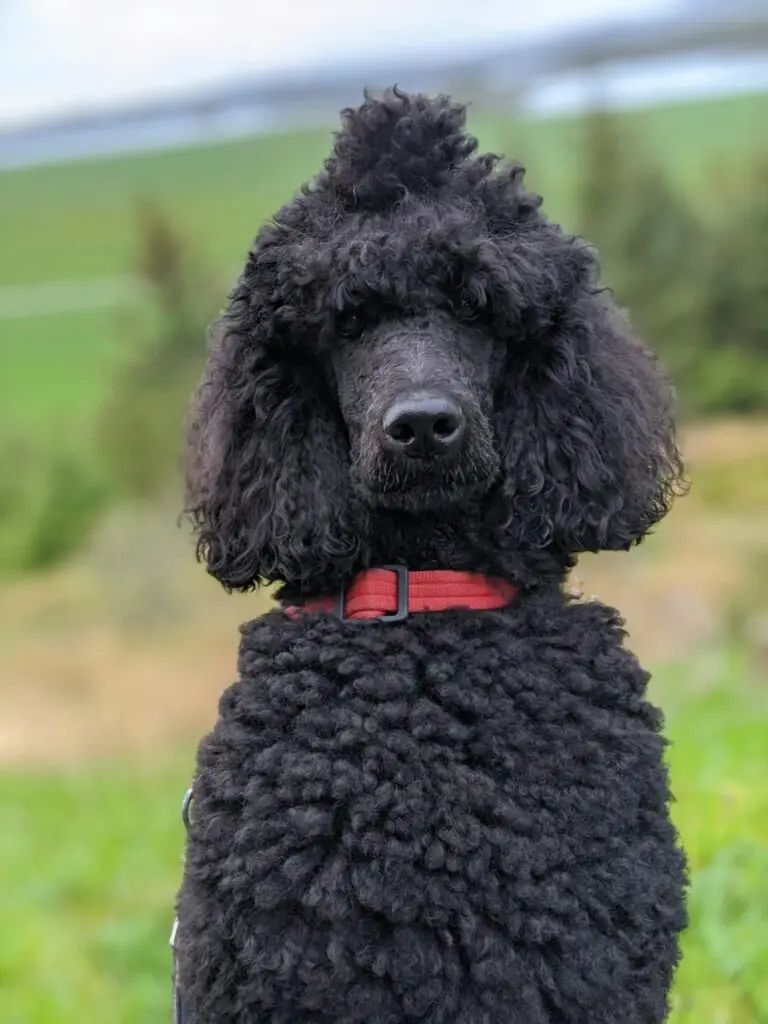
The Poodle Club of America sets a separate list for each variety. The AKC shows them on its Non-Sporting and Toy Group health testing pages. Owners upload the results that match their dog's size:
Test
What we accept
Eyes, all sizes
Exam by a board-certified ophthalmologist (ACVO)
Hips, Standard and Miniature
OFA hip evaluation or PennHIP
Patellas, Miniature and Toy
Veterinary patellar luxation exam, registered with OFA
PRA-prcd, Miniature and Toy
Progressive Retinal Atrophy DNA test
Standard extras
Thyroid evaluation, plus NEwS and vWD DNA tests or clear by parentage
Brucellosis
Negative test taken before the breeding
Beyond that list, Standard breeders often screen for sebaceous adenitis, a skin disease, and watch for Addison's disease and bloat in the family. Miniature and Toy breeders, on the other hand, focus on knees and eyes. Registered results can be checked on the OFA website.
If these test names are new to you, our health testing guides explain the basics. Read the full Poodle health testing guide.
First, match the size. Standards stand over 15 inches, Miniatures measure 10 to 15 inches, and Toys are 10 inches or less. Mixing varieties changes the size of the puppies, so most breeders stay within one variety.
Next, check color genetics. Poodles carry many hidden color genes, and a simple DNA panel shows what a stud can produce. For example, two brown carriers can give brown puppies from black parents. Also ask whether he carries parti or fading genes.
Finally, look at coat, structure and temperament. A good Poodle has a dense, harsh curl, a square outline and a light, springy gait. He should also be bright and steady. In addition, ask for a diversity or inbreeding figure, because Standards have a narrow gene pool.
The AKC describes the Poodle as proud, active and very smart. The breed began as a water retriever in Germany, and the famous clip once protected joints in cold water. Poodles ranked 6th in AKC registrations for 2025.
Because the coat sheds very little, Poodles are also the usual sire for doodle crosses. Some stud owners welcome those breedings, while others accept purebred females only. Therefore, each profile says which requests the owner will consider.
Poodles of all sizes usually breed naturally. Nevertheless, artificial insemination is common when sizes differ or when the stud lives far away. Chilled semen ships overnight, and frozen semen can be stored for years. Each profile lists the methods the owner offers.
To learn how shipped semen works, read the dog artificial insemination guide. After that, see how VerifiedStuds works.
1
First, shortlist studs and message owners through the site to agree on dates and terms.
2
Then book the stud and pay the listed fee by card at checkout.
3
After that, accept the breeding terms before the booking confirms.
4
Finally, the owner is paid through Stripe, and you can leave a verified review after the breeding.
Own a Poodle stud? List Your Stud free. The first 100 studs pay no commission on their first booking.
Also compare Cocker Spaniel studs, English Springer Spaniel studs, Goldendoodle studs and Golden Retriever studs, or see every breed on our stud dogs by breed page. Planning his workload? Then read our guide to sperm quality and breeding frequency. Owners of every breed and size can list here.
How much is a Poodle stud fee?
Most owners charge between $500 and $2,000. However, champions, proven sires and popular colors can reach $3,000.
What health tests should a Poodle stud have?
It depends on size. Standards need hips and eyes plus extras such as thyroid, NEwS and vWD. Miniatures and Toys need knees, eyes and a PRA DNA test. We also ask for a negative brucellosis test.
Can I use a Poodle stud for a doodle litter?
Sometimes. Each owner decides, and the profile states it. So check before you send a booking request.
Can a Toy and a Miniature Poodle be bred together?
Yes, they are one breed. However, puppy size becomes harder to predict, so talk it through with the stud owner and your vet.
Do you only list certain breeds?
No. Every breed and every cross can be listed on VerifiedStuds.
How do I list my Poodle at stud?
Create a free account, upload his health and DNA results with photos, and set your fee. Or ask our team to build the listing for you.
List him free while the 100 Founding Stud spots are open, or compare typical fees first.