
Health-tested Leonberger stud dogs from verified owners
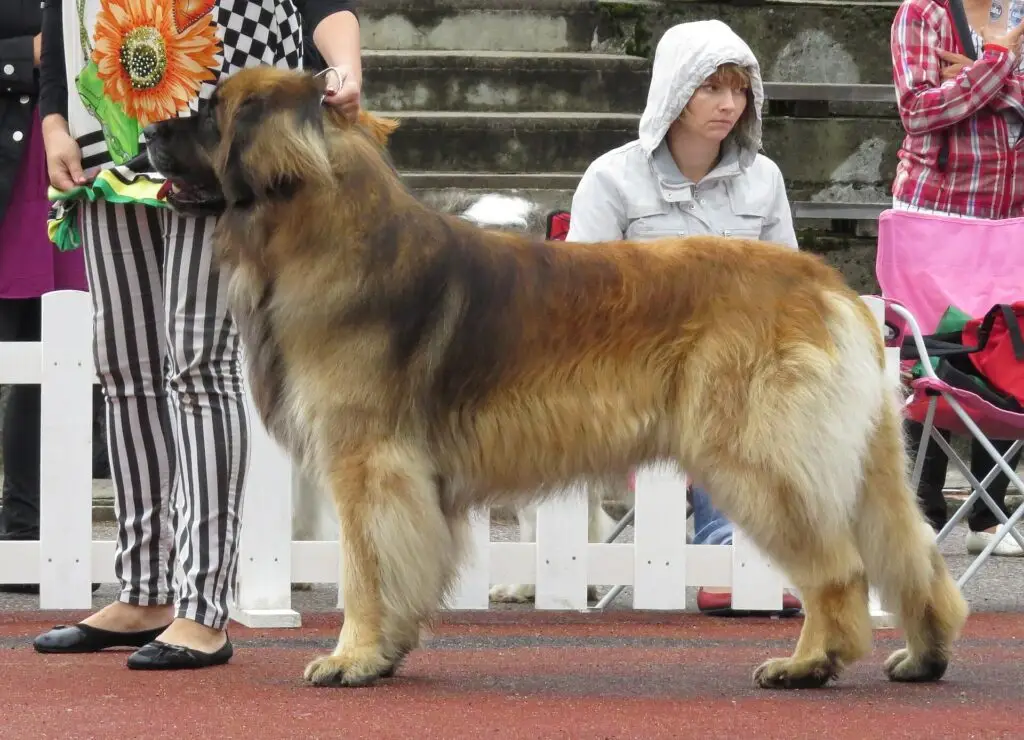
A lion-colored giant with a black mask and a gentle heart, the Leo was bred in Germany as a companion fit for royalty. Its parent club asks for more DNA tests than almost any other, and for good reason. On VerifiedStuds, every owner is identity verified, and each profile shows the results beside the fee.
$1,000 to $2,500+
estimated fee, while champion sires cost more
8 tests
joints, eyes, thyroid and four DNA tests
Natural, chilled, frozen
breeding methods
Leonberger profiles are opening now. Meanwhile, owners of health-tested males can claim a free Founding Stud spot.
Founding Stud spot open
Show his OFA hips and elbows, eye exam, thyroid result and his LPN1, LPN2, LPPN3 and LEMP DNA results.
Claim this spotFounding Stud spot open
Founding Studs pay 0% commission on their first booking, and listing is also free.
Claim this spotFounding Stud spot open
Short on time? Then send us the documents, and we will build the listing for you.
Claim this spotLeonberger stud fees usually run from $1,000 to $2,500. A health-tested male with no proven litters often asks $1,000 to $1,500. However, champions and proven sires with clear DNA panels can ask $2,000 to $3,000.
These are market estimates, since fees are private. The breed is uncommon, and its club rules are strict, so fully tested sires are in steady demand. The stud fee guide explains contracts and return services.
$1,000 to $2,500+
Overall range (estimate): $1,000 to $3,000
Health-tested, unproven male: $1,000 to $1,500
Champion or proven sire: $2,000 to $3,000
The Leonberger Club of America is the AKC parent club. A stud can carry our Verified Health badge when the owner uploads the results on its recommended list:
Test
What we accept
Hips
OFA hip evaluation or PennHIP
Elbows
OFA elbow evaluation
Eyes
Exam by a board-certified ophthalmologist
Thyroid
OFA thyroid evaluation
LPN1 and LPN2
DNA tests for Leonberger polyneuropathy
LPPN3
DNA test for laryngeal paralysis and polyneuropathy
LEMP
DNA test for leukoencephalomyelopathy
Brucellosis
Negative test taken before the breeding
Polyneuropathy weakens the nerves of the legs and throat. Affected dogs develop a high-stepping walk, noisy breathing and exercise trouble. LEMP damages the spinal cord in young dogs. Because DNA tests exist for each, breeders can avoid producing affected puppies. Registered results are public on the OFA website.
See our health testing guides for how each test works.
Most of these tests follow the usual recessive rule. A carrier bred to a clear dog produces no affected puppies. However, LPN2 is different, because it is dominant. A dog with even one copy can develop the disease and pass it on. Therefore, a stud should be clear for LPN2.
So ask for the full lab report, and compare each line with your female's. In addition, remember what DNA cannot show. Bone cancer, bloat and heart disease all occur in the breed, and none has a screening test. As a result, ask how long his parents and grandparents lived.
First, look at temperament. The breed standard treats a calm, friendly, steady nature as essential. A Leonberger that is shy or aggressive fails the breed's whole purpose.
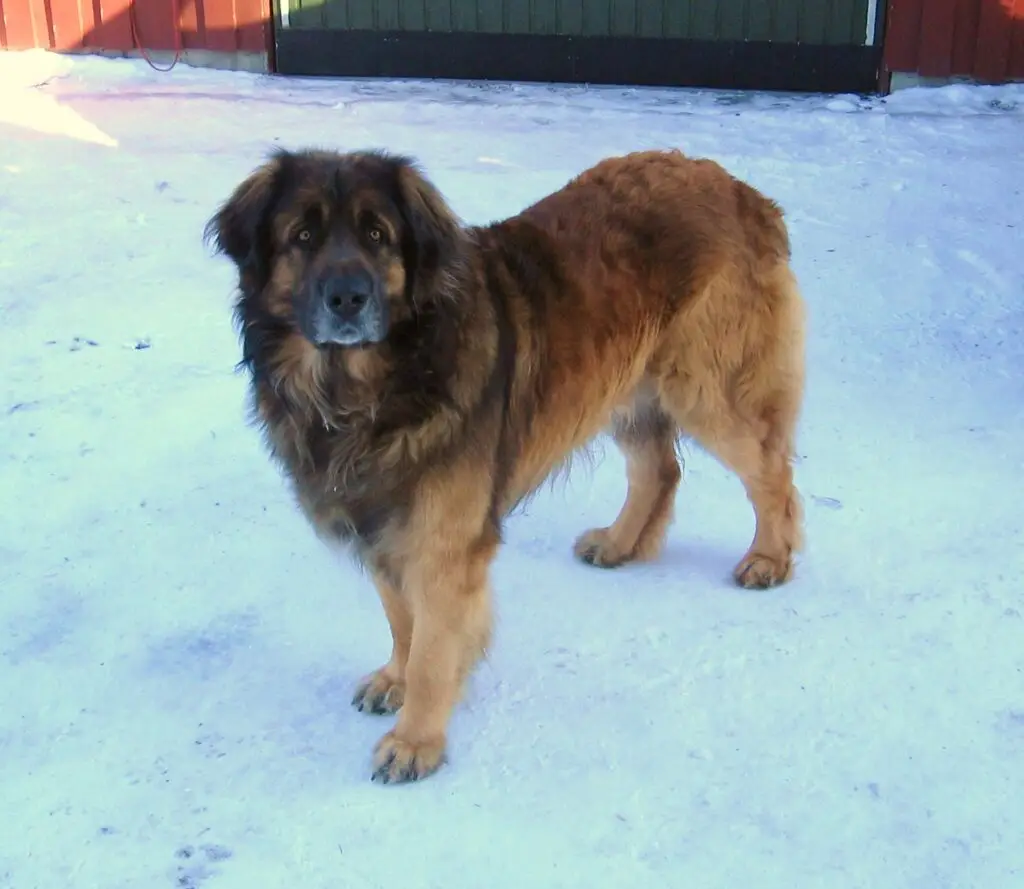
Next, check structure. Males stand 28 to 31.5 inches and should be powerful yet elegant, with a level back and easy movement. The coat is lion-yellow to red-brown with a black mask.
Finally, weigh longevity. Leos live about seven to nine years. A pedigree with dogs that reached ten is worth a great deal. The AKC recognized the breed in 2010.
Leonbergers usually breed naturally. However, breeders often look to Europe for unrelated lines, so chilled and frozen semen are both common. Each profile lists the methods on offer.
The dog artificial insemination guide explains timing and shipping. Then see how VerifiedStuds works.
1
First, shortlist studs and message owners through the site to agree on dates and terms.
2
Then book the stud and pay the listed fee by card at checkout.
3
After that, accept the breeding terms before the booking confirms.
4
Finally, the owner is paid through Stripe, and you can leave a verified review after the breeding.
Own a Leonberger stud? List Your Stud free. The first 100 studs pay no commission on their first booking.
Also compare Newfoundland studs, Saint Bernard studs, Bernese Mountain Dog studs and Great Pyrenees studs, or see every breed on our stud dogs by breed page. Planning his workload? Then read our guide to how often a stud can breed.
How much is a Leonberger stud fee?
Most owners charge $1,000 to $2,500. However, champions and proven sires can ask up to $3,000. These figures are estimates.
What health tests should a Leonberger stud have?
Hips, elbows, an eye exam, a thyroid evaluation and DNA tests for LPN1, LPN2, LPPN3 and LEMP, plus a negative brucellosis test.
What is Leonberger polyneuropathy?
It is an inherited nerve disease that causes weakness, a high-stepping gait and breathing noise. DNA tests identify the known forms.
Can an LPN1 carrier be bred?
Yes, to a clear mate. However, a dog with any copy of LPN2 should not be bred, because that form is dominant.
How long do Leonbergers live?
Usually seven to nine years. Therefore, breeders value long-lived relatives in a pedigree.
How do I list my Leonberger at stud?
Create a free account, upload his health results and photos, and set your fee. Or let our team build the listing.
List him free while the 100 Founding Stud spots are open, or compare typical fees first.