
The degenerative myelopathy DNA test, explained for breeders
Degenerative myelopathy, or DM, slowly takes away an older dog's ability to walk. There is no cure. However, a simple cheek swab shows which dogs carry the gene, and sensible pairing keeps the risk low. This VerifiedStuds guide explains the test and how to use it.
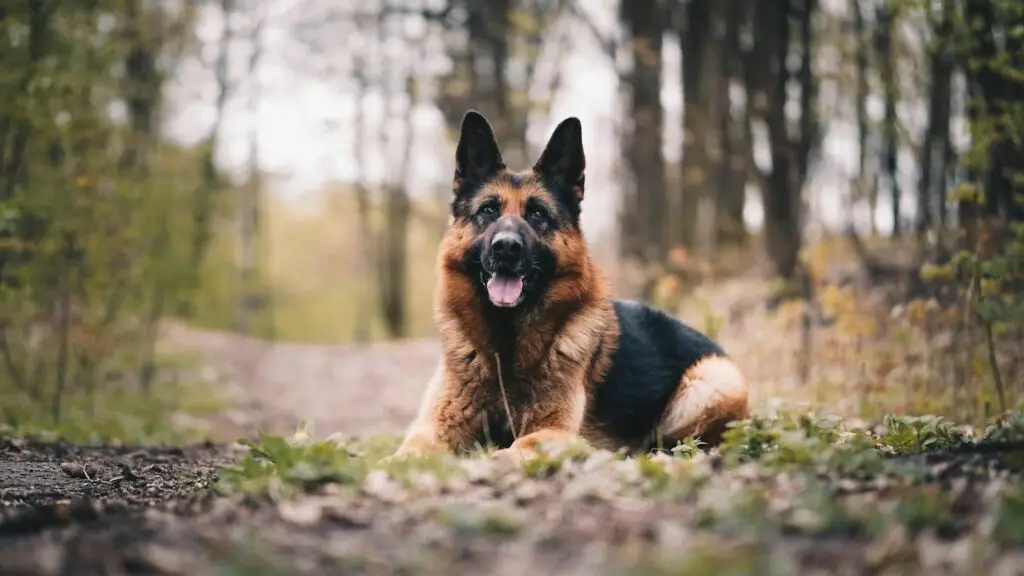
DM is a disease of the spinal cord. It usually begins at about eight years of age or later. First, the hind legs become weak and uncoordinated. Then, over six months to two years, the weakness moves forward until the dog cannot stand. The disease is not painful, but it is always progressive.
Because it appears so late, a dog may have sired many litters before anyone knows. Therefore, the DNA test matters more than waiting for signs.
The test looks for a mutation in a gene called SOD1. A lab reads it from a cheek swab or a blood sample, and the dog needs testing only once in its life.
Result
Genes
What it means
Clear (N/N)
Two normal copies
Will not develop this form of DM, and passes on only normal genes
Carrier (N/A)
One normal, one mutated
Very unlikely to develop DM, but passes the mutation to about half its puppies
At risk (A/A)
Two mutated copies
May develop DM in old age, and passes the mutation to every puppy
Most breeds share one common mutation, known as SOD1A. In addition, Bernese Mountain Dogs have a second one, SOD1B. So Berners need both tests. See Bernese Mountain Dog health testing.
This is the point that confuses people most. A dog with two copies is at risk, not doomed. Many at-risk dogs never show signs, and the share that do varies by breed. For example, the mutation is very common in Pembroke Welsh Corgis and Boxers, yet only some at-risk dogs develop the disease.
In other words, the gene is necessary but not sufficient. Other genes and age play a part. As a result, the test tells you about risk, not about fate.
The mutation occurs in many breeds. It matters most where the disease itself is seen regularly:
German Shepherd Dog, the breed first linked to DM.
Pembroke Welsh Corgi and Cardigan Welsh Corgi.
Boxer.
Bernese Mountain Dog, with two mutations.
Chesapeake Bay Retriever and Rhodesian Ridgeback.
Poodles and many crosses, where panels include it as standard.
See German Shepherd health testing, Corgi health testing and Boxer health testing.
Pairing
Puppies
Clear x Clear
All clear
Clear x Carrier
About half clear, half carriers; none at risk
Clear x At risk
All carriers; none at risk
Carrier x Carrier
About one in four at risk
Carrier x At risk
About half at risk
At risk x At risk
All at risk
So the safe rule is simple. Make sure at least one parent is clear. Then no puppy can inherit two copies.
However, do not throw out every carrier. In breeds where the mutation is common, that would shrink the gene pool and invite other problems. Therefore, a carrier or even an at-risk dog with excellent hips, heart and temperament can still be bred to a clear mate.
Most breeder DNA panels include DM, and single tests are inexpensive. For the result to appear on the dog's OFA record, use a lab that OFA accepts. Read best DNA tests for dog breeders.
Ask for his DM result on the lab report, with the lab's name and the date.
Compare it with your female's. If she is a carrier or at risk, look for a clear stud.
Ask about old dogs in his family. For instance, did any lose the use of their hind legs?
Weigh it with everything else. DM is one factor beside hips, eyes, heart and temperament.
Ready to compare? Then find a health-tested stud, and check prices in the stud fee guide. Stud owners can list their stud free. This page is general information, not veterinary advice.
What does a DM carrier result mean?
The dog has one copy of the mutation. It is very unlikely to develop DM, but it can pass the gene to its puppies.
Can a DM at-risk dog be bred?
Yes, to a clear mate. All the puppies will be carriers, and none will be at risk.
Will an at-risk dog definitely get degenerative myelopathy?
No. Many at-risk dogs never develop it. The test shows risk, not certainty.
At what age does DM appear?
Usually at eight years or older. That is why the DNA test is more useful than waiting for signs.
How much does a DM DNA test cost?
A single test is usually inexpensive, often under $100, and most breeder panels include it. Prices vary by lab.
Sources: Orthopedic Foundation for Animals, degenerative myelopathy, UC Davis Veterinary Genetics Laboratory, Paw Print Genetics.
Stud owners upload DNA reports to their profiles, beside the fee.