
A breeder's guide to German Shepherd health testing
Hip and elbow dysplasia have followed this breed for decades, and careful screening is the only way to reduce them. This VerifiedStuds guide explains the tests the parent club lists, the DNA tests worth adding, and what we require for the Verified Health badge.
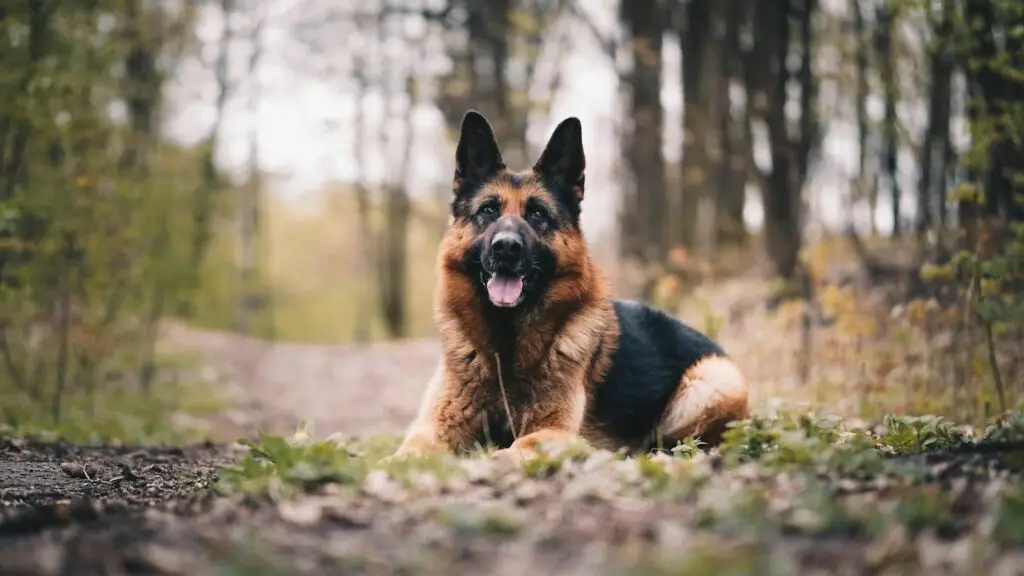
The German Shepherd Dog Club of America is the AKC parent club. Its list, as published by the AKC, has three items:
Clearance
Who does it
Earliest final result
Hips
X-rays sent to OFA, or PennHIP
24 months (OFA)
Elbows
X-rays sent to OFA
24 months
Temperament
A recognized temperament test or working title
Adult dogs
The temperament item is unusual, and it matters. A German Shepherd should be confident and steady, so the club asks for proof, such as the GSDCA Temperament Test or a working title.
Degenerative myelopathy (DM): a late-onset spinal disease. Because it is recessive, a carrier can be bred safely to a clear dog.
MDR1: drug sensitivity occurs in the breed, although less often than in Collies.
Hemophilia A and pituitary dwarfism: rare, but a DNA panel usually covers them.
In addition, many breeders add a cardiac exam, a thyroid panel and an eye exam.
OFA grades hips Excellent, Good or Fair, which all pass, then Borderline, Mild, Moderate or Severe. Similarly, elbows are Normal or Grade I to III. German lines often carry the SV "a" stamp instead, which is the German club's own hip and elbow rating.
PennHIP gives a distraction index, where a lower number means tighter hips. Either system is accepted here. However, preliminary results taken before 24 months are not final clearances.
Brucellosis spreads through mating and has no reliable cure. Therefore, the AKC advises testing stud dogs every six months and females before each breeding. In addition, VerifiedStuds asks for a negative test before every booking. Read brucellosis in dogs for the details.
Ask for his registered name, then look up his hips and elbows in the public OFA database.
Request the DM result on a lab report, and compare it with your female's.
Ask about relatives. Hips of parents, siblings and earlier puppies tell you more than one good x-ray.
Check for bloat and allergies in his line, which have no test but often run in families.
Next steps: German Shepherd studs · Stud fee guide · Find a health-tested stud · List Your Stud
What health tests should a German Shepherd have before breeding?
OFA or PennHIP hips, OFA elbows and a temperament test, plus a negative brucellosis test. Most breeders also add a DM DNA test.
At what age can a German Shepherd get hip clearances?
OFA gives final hip and elbow ratings at 24 months. PennHIP can be done from 16 weeks, although most breeders repeat it in adults.
Can a DM carrier be bred?
Yes, to a clear mate. That pairing produces no at-risk puppies, and it keeps good dogs in the gene pool.
Is the SV "a" stamp the same as OFA?
No, but it serves the same purpose. It is the German club's hip and elbow certification, and many imported dogs carry it.
What does VerifiedStuds require for German Shepherd studs?
Hips, elbows and a negative brucellosis test for the Verified Health badge. Owners can also upload DNA and temperament results.
Sources: German Shepherd Dog Club of America, AKC Herding Group health testing requirements, OFA CHIC program.
The first 100 studs pay 0% commission on their first booking, and listing is free.