
Health-tested Greyhound stud dogs from verified owners
The fastest dog on earth spends most of the day asleep on the sofa. Built purely for speed, the Greyhound is also one of the soundest large breeds. On VerifiedStuds, every owner is identity verified, and each profile shows registry papers and health results beside the fee.
$600 to $1,500+
estimated fee, while titled sires cost more
3 tests
heart, eyes and one DNA test
Natural, chilled, frozen
breeding methods
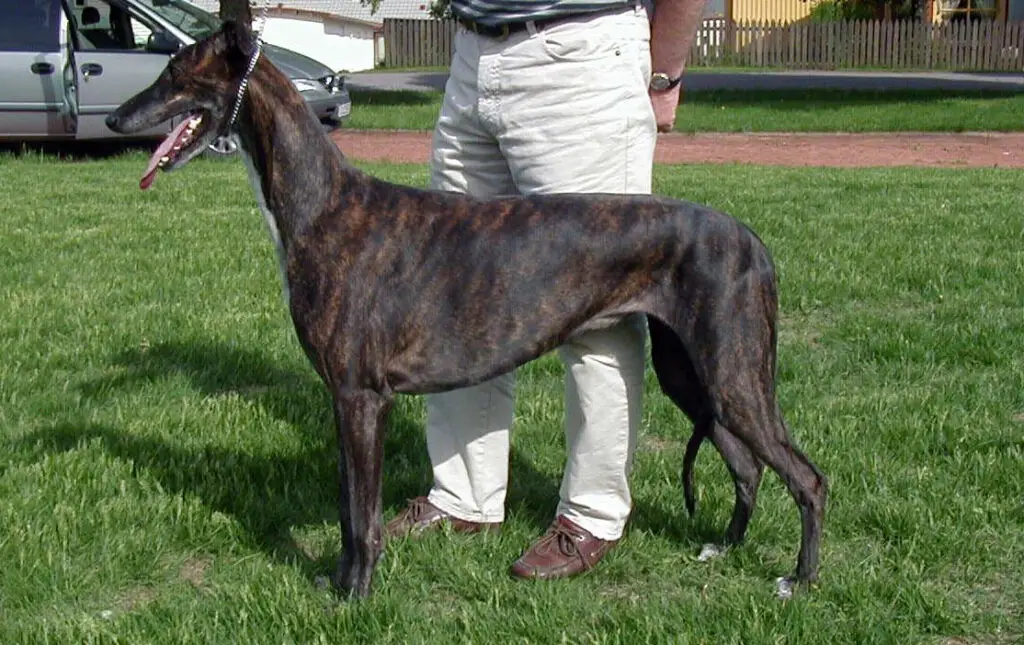
Greyhound profiles are opening now. Meanwhile, owners of health-tested show and coursing males can claim a free Founding Stud spot.
Founding Stud spot open
State his registry and his show or coursing record, then add his heart exam, eye exam and DNA result.
Claim this spotFounding Stud spot open
Founding Studs pay 0% commission on their first booking, and listing is also free.
Claim this spotFounding Stud spot open
Short on time? Then send us the documents, and we will build the listing for you.
Claim this spotGreyhound stud fees usually run from $600 to $1,500. A health-tested male with no proven litters often asks $600 to $900. However, show champions and lure coursing winners can ask $1,200 to $2,000.
These are market estimates, since fees are private. Fees for racing sires follow a separate market and are not covered here. The stud fee guide explains contracts and return services.
$600 to $1,500+
Overall range (estimate): $600 to $2,000
Health-tested, unproven male: $600 to $900
Champion or coursing-titled sire: $1,200 to $2,000
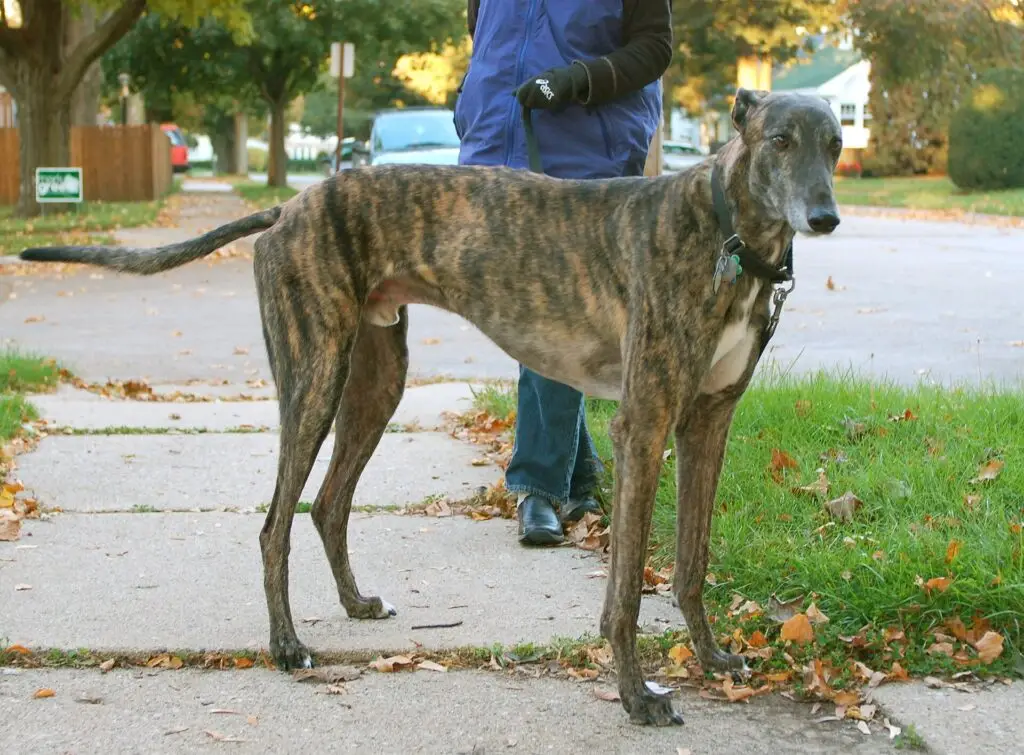
The Greyhound Club of America is the AKC parent club. A stud can carry our Verified Health badge when the owner uploads the results on its recommended list:
Test
What we accept
Heart
Cardiac exam registered with OFA
Eyes
Exam by a board-certified ophthalmologist
Polyneuropathy
DNA test for Greyhound polyneuropathy
Brucellosis
Negative test taken before the breeding
Greyhound polyneuropathy is a fatal nerve disease of young dogs, found mainly in show lines. Because it is recessive, a carrier bred to a clear dog produces no affected puppies. In addition, hip dysplasia is rare in the breed. However, bloat and bone cancer both occur, and neither has a screening test. Registered results are public on the OFA website.
See our health testing guides for how each test works.
First, check his papers. The AKC registers show and coursing Greyhounds. In contrast, racing dogs are registered with the National Greyhound Association. The two lines have been bred apart for generations, so make sure his registry suits your female's.
Next, look at structure and movement. A Greyhound should be lean and deep-chested, with a long neck, an arched loin and powerful hindquarters. Males stand 28 to 30 inches. He should cover ground with an easy, low stride.
Finally, ask how long his relatives lived. Bone cancer is the breed's main cause of early death. Therefore, a pedigree with dogs that reached eleven or twelve is a real advantage.
Sighthounds of this shape appear in art from ancient Egypt, and the breed was refined in Britain for coursing hares. The AKC registered Greyhounds from 1885 and describes the breed as gentle, independent and noble.
At home, Greyhounds are quiet, clean and affectionate. However, they chase small animals on instinct, and they need a secure place to sprint. In addition, they react differently to some anesthetic drugs, so always tell your vet the breed.
Greyhounds usually breed naturally without trouble. However, the AKC population is small, so breeders often ship chilled or frozen semen to find an unrelated sire. Each profile lists the methods on offer.
The dog artificial insemination guide explains timing and shipping. Then see how VerifiedStuds works.
1
First, shortlist studs and message owners through the site to agree on dates and terms.
2
Then book the stud and pay the listed fee by card at checkout.
3
After that, accept the breeding terms before the booking confirms.
4
Finally, the owner is paid through Stripe, and you can leave a verified review after the breeding.
Own a Greyhound stud? List Your Stud free. The first 100 studs pay no commission on their first booking.
Also compare Whippet studs, Italian Greyhound studs, Irish Wolfhound studs and Rhodesian Ridgeback studs, or see every breed on our stud dogs by breed page. Planning his workload? Then read our guide to how often a stud can breed.
How much is a Greyhound stud fee?
Most owners of show and coursing dogs charge $600 to $1,500. However, titled sires can ask up to $2,000. These figures are estimates.
What health tests should a Greyhound stud have?
A cardiac exam, an eye exam and the Greyhound polyneuropathy DNA test, plus a recent negative brucellosis test.
Are racing and show Greyhounds the same breed?
Yes, but they are registered separately and have been bred apart for many years. Racing dogs use the NGA studbook.
Do Greyhounds get hip dysplasia?
Very rarely. It is one of the least affected large breeds.
How do I list my Greyhound at stud?
Create a free account, upload his papers, health results and photos, and set your fee. Or let our team build the listing.
List him free while the 100 Founding Stud spots are open, or compare typical fees first.