
Health-tested Basenji stud dogs from verified owners
Africa's "barkless" hunting dog yodels, washes itself like a cat and comes into season only once a year. That yearly cycle makes planning essential, and two DNA tests make it safe. On VerifiedStuds, every owner is identity verified, and each profile shows the results beside the fee.
$800 to $1,800+
estimated fee, while champion sires cost more
5 tests
hips, eyes, thyroid and two DNA tests
Natural, chilled, frozen
breeding methods
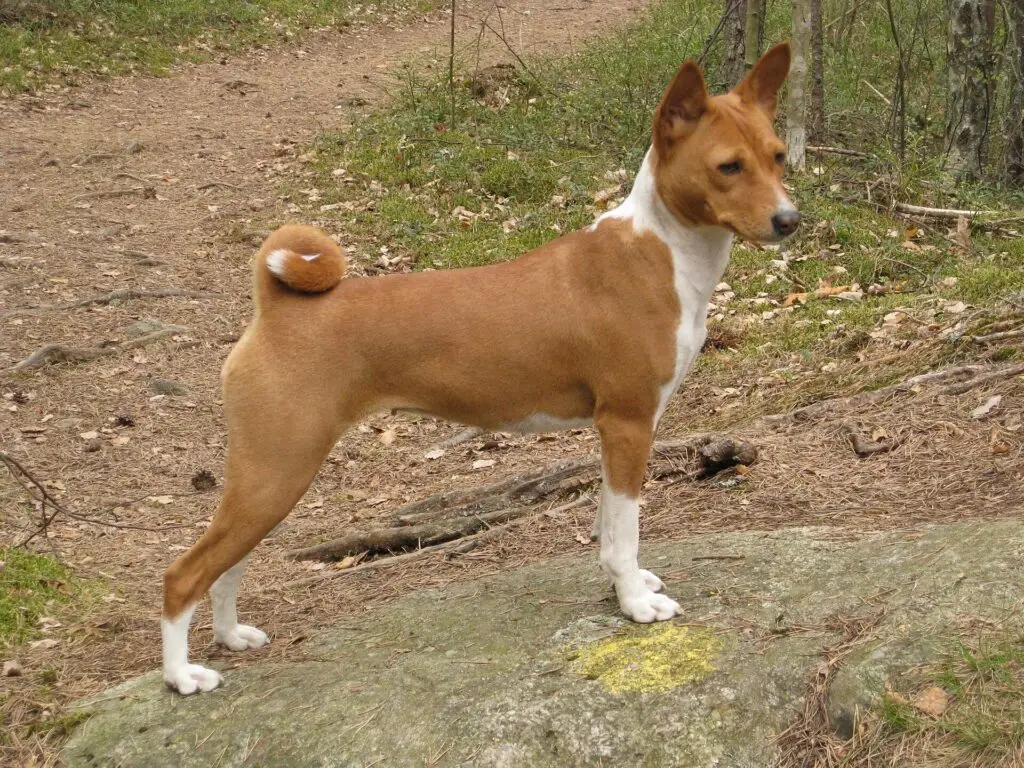
Basenji profiles are opening now. Meanwhile, owners of health-tested males can claim a free Founding Stud spot.
Founding Stud spot open
Show his Fanconi and PRA DNA results, OFA hips, eye exam and thyroid result to breeders.
Claim this spotFounding Stud spot open
Founding Studs pay 0% commission on their first booking, and listing is also free.
Claim this spotFounding Stud spot open
Short on time? Then send us the documents, and we will build the listing for you.
Claim this spotBasenji stud fees usually run from $800 to $1,800. A health-tested male with no proven litters often asks $800 to $1,200. However, champions, lure coursing winners and proven sires can ask $1,500 to $2,500.
These are market estimates, since fees are private. Because every female is in season at about the same time, popular sires book up early. The stud fee guide explains contracts and return services.
$800 to $1,800+
Overall range (estimate): $800 to $2,500
Health-tested, unproven male: $800 to $1,200
Champion or proven sire: $1,500 to $2,500
The Basenji Club of America is the AKC parent club. A stud can carry our Verified Health badge when the owner uploads the results on its recommended list:
Test
What we accept
Fanconi syndrome
DNA test
PRA
DNA test for the Basenji form of retinal atrophy
Hips
OFA hip evaluation or PennHIP
Eyes
Exam by a board-certified ophthalmologist
Thyroid
OFA thyroid evaluation
Brucellosis
Negative test taken before the breeding
Fanconi syndrome is a kidney disorder that once affected many Basenjis. It appears in adults and is fatal if untreated. However, the DNA test changed everything. Because the gene is recessive, a carrier bred to a clear dog produces no affected puppies. Registered results are public on the OFA website.
See our health testing guides for how each test works.
Unlike most breeds, a Basenji female usually cycles once a year, in autumn. So nearly all litters are born in winter. For stud owners, that means every booking arrives in the same few weeks.
Therefore, contact the stud owner months ahead. In addition, agree what happens if several females need him at once, since a male used every day delivers fewer sperm. Our guides to the dog heat cycle and how often a stud dog can breed explain both sides.
First, compare DNA results with your female's. If she carries Fanconi or PRA, choose a sire who is clear for the same gene. Then no puppy can be affected.
Next, check how related the two dogs are. The breed descends from a small number of African imports, so the gene pool is narrow. As a result, breeders value dogs with newer African lines in their pedigree.
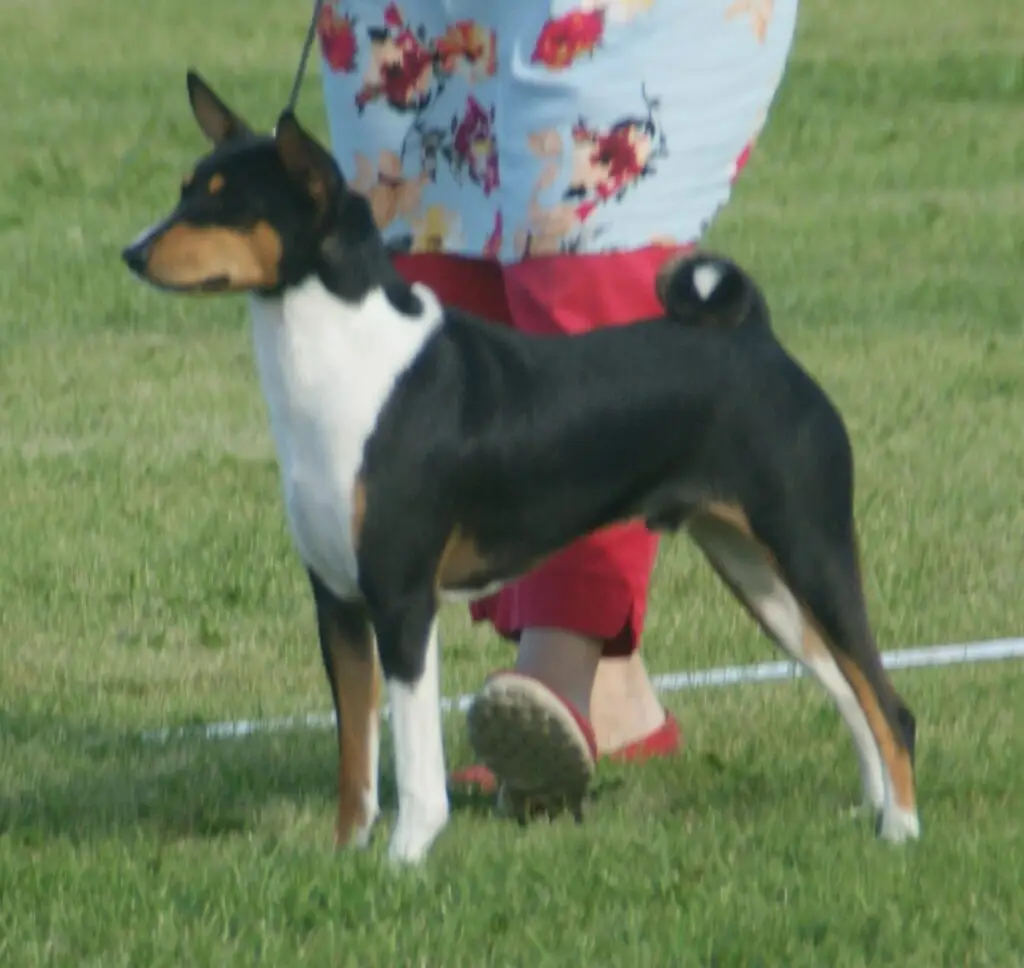
Finally, judge type and temperament. A Basenji is light, square and elegant, about 17 inches tall, with a wrinkled brow and a tightly curled tail. The AKC describes it as independent, smart and poised.
Basenjis usually breed naturally. However, the single short season leaves little room for travel delays, so chilled semen is common. Frozen semen is used as well, which lets breeders plan around the calendar. Each profile lists the methods on offer.
The dog artificial insemination guide explains timing and shipping. Then see how VerifiedStuds works.
1
First, shortlist studs and message owners through the site to agree on dates and terms.
2
Then book the stud and pay the listed fee by card at checkout.
3
After that, accept the breeding terms before the booking confirms.
4
Finally, the owner is paid through Stripe, and you can leave a verified review after the breeding.
Own a Basenji stud? List Your Stud free. The first 100 studs pay no commission on their first booking.
Also compare Whippet studs, Shiba Inu studs, Rhodesian Ridgeback studs and Italian Greyhound studs, or see every breed on our stud dogs by breed page. Related dogs are common in this breed, so read our guide to the coefficient of inbreeding.
How much is a Basenji stud fee?
Most owners charge $800 to $1,800. However, champions and proven sires can ask up to $2,500. These figures are estimates.
What health tests should a Basenji stud have?
DNA tests for Fanconi syndrome and PRA, with hips, an eye exam and a thyroid evaluation, plus a negative brucellosis test.
How often do Basenjis come into heat?
Usually once a year, in autumn. Most other breeds cycle about twice a year.
What is Fanconi syndrome?
It is an inherited kidney disorder in which nutrients are lost in the urine. A DNA test identifies clear, carrier and affected dogs.
Do Basenjis really not bark?
They rarely bark. However, they make a yodel-like sound and can be quite vocal.
How do I list my Basenji at stud?
Create a free account, upload his health results and photos, and set your fee. Or let our team build the listing.
List him free while the 100 Founding Stud spots are open, or compare typical fees first.