
Health-tested Pekingese stud dogs from verified owners
Once kept only in the Chinese imperial palace, the Peke still behaves as though it owns the place. A flat face, large eyes and a long back give the breed its look and its health risks. On VerifiedStuds, every owner is identity verified, and each profile shows health results beside the fee.
$600 to $1,500+
estimated fee, while champion sires cost more
Eyes and breathing
the first things to check
AI, chilled, frozen
breeding methods
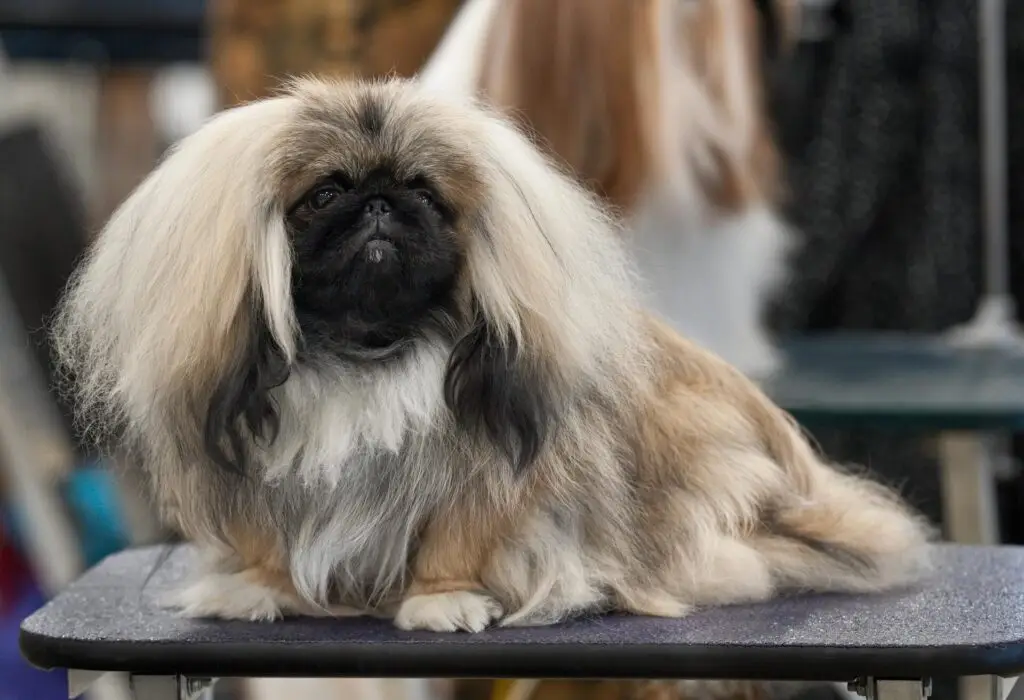
Pekingese profiles are opening now. Meanwhile, owners of health-tested males can claim a free Founding Stud spot.
Founding Stud spot open
State his weight, then add his eye exam, patella exam and heart exam for breeders to review.
Claim this spotFounding Stud spot open
Founding Studs pay 0% commission on their first booking, and listing is also free.
Claim this spotFounding Stud spot open
Short on time? Then send us the documents, and we will build the listing for you.
Claim this spotPekingese stud fees usually run from $600 to $1,500. A health-tested male with no proven litters often asks $600 to $900. However, champions and proven sires from winning show lines can ask $1,200 to $2,000.
These are market estimates, since fees are private. Litters are small and often delivered by cesarean, so breeders choose sires carefully. The stud fee guide explains contracts and return services.
$600 to $1,500+
Overall range (estimate): $600 to $2,000
Health-tested, unproven male: $600 to $900
Champion or proven sire: $1,200 to $2,000
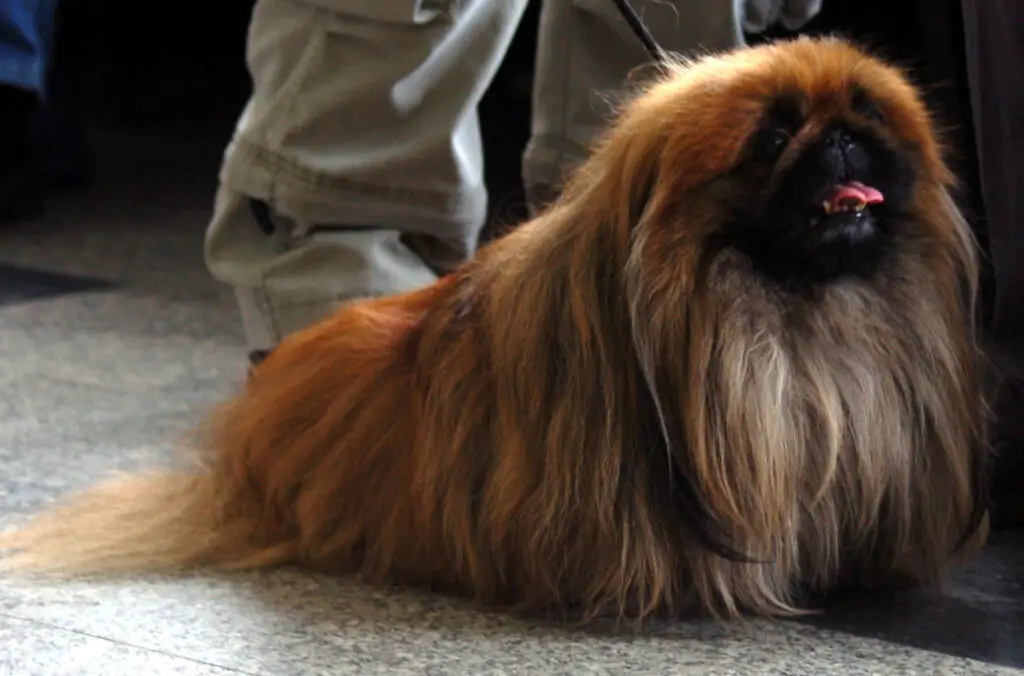
The Pekingese Club of America is the AKC parent club. The AKC's breed health page lists no required tests for the breed. However, careful breeders still screen for its known weak points. We suggest these results:
Test
What we accept
Eyes
Exam by a board-certified ophthalmologist
Patellas
Veterinary patellar luxation exam
Heart
Cardiac exam registered with OFA
Brucellosis
Negative test taken before the breeding
Large, shallow-set eyes are easily injured, and dry eye and ulcers are common. In addition, mitral valve disease appears in older Pekes, so a heart exam matters. Disc disease occurs as well, because of the long back and short legs, although no clearance exists for it. Registered results are public on the OFA website.
See the CAER eye exam guide and our other health testing guides for how each test works.
First, listen to him breathe. A flat face can come with narrow nostrils and a long soft palate. A sound Peke breathes quietly at rest and recovers quickly after a short walk. Therefore, avoid a sire who snores loudly, gasps or cannot cope with warmth.
Next, look at his eyes and nose wrinkle. The fold over the nose should not rub the eyes. So choose open, clear eyes with no staining or squinting.
Finally, check weight and build. The standard sets a limit of 14 pounds. A good Peke is surprisingly heavy for his size, pear-shaped and low, with a rolling gait. The AKC describes the breed as affectionate, loyal and regal.
For centuries, only members of the Chinese imperial court could own these dogs. Five were taken to Britain in 1860, after the Summer Palace in Beijing was looted, and the Western breed began with them. The AKC registered its first Pekingese in 1906.
At home, the Peke is calm, dignified and devoted to one or two people. However, it dislikes heat and rough handling. As a result, it suits quiet adult homes best.
The breed's shape makes a natural mating difficult. Therefore, most breeders use artificial insemination, and many litters arrive by planned cesarean. Chilled and frozen semen are both common. Each profile lists the methods on offer.
The dog artificial insemination guide explains timing and shipping. Then see how VerifiedStuds works.
1
First, shortlist studs and message owners through the site to agree on dates and terms.
2
Then book the stud and pay the listed fee by card at checkout.
3
After that, accept the breeding terms before the booking confirms.
4
Finally, the owner is paid through Stripe, and you can leave a verified review after the breeding.
Own a Pekingese stud? List Your Stud free. The first 100 studs pay no commission on their first booking.
Also compare Shih Tzu studs, Lhasa Apso studs, Pug studs and Pomeranian studs, or see every breed on our stud dogs by breed page. Planning his workload? Then read our guide to how often a stud can breed.
How much is a Pekingese stud fee?
Most owners charge $600 to $1,500. However, champions and proven sires can ask up to $2,000. These figures are estimates.
What health tests should a Pekingese stud have?
The AKC lists none as required. Even so, good breeders check eyes, patellas and heart. We also require a negative brucellosis test.
Can Pekingese breed naturally?
Sometimes, but most breeders use artificial insemination because of the breed's build.
Do Pekingese need cesareans?
Often. Large heads and small litters make natural birth risky, so plan the delivery with your vet.
How do I list my Pekingese at stud?
Create a free account, upload his health results and photos, and set your fee. Or let our team build the listing.
List him free while the 100 Founding Stud spots are open, or compare typical fees first.