
Working Anatolian Shepherd stud dogs with health results
For thousands of years these big, tough dogs have lived with flocks on the Turkish plateau and driven off wolves. Ranchers still rely on them, so working instinct counts as much as health. On VerifiedStuds, every owner is identity verified, and each profile shows health results beside the fee.
$600 to $1,500+
estimated fee, while proven guardians cost more
Hips and elbows
the tests on the parent club's list
Natural, chilled, frozen
breeding methods
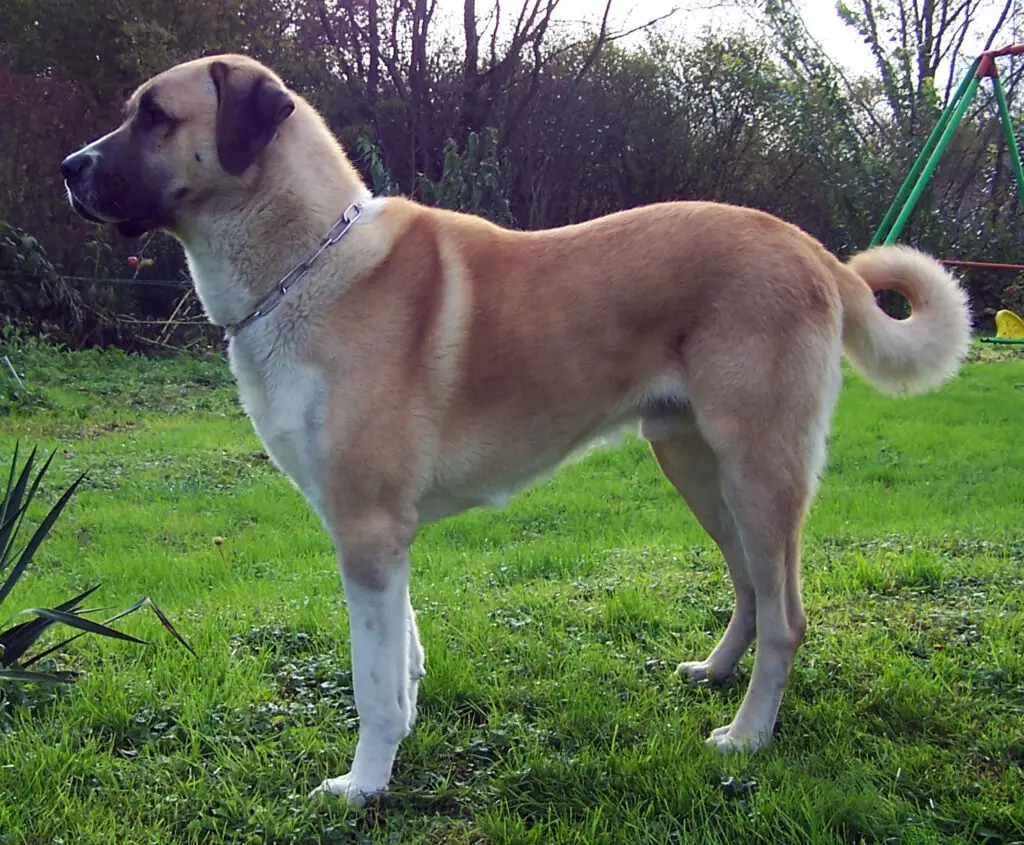
Anatolian profiles are opening now. Meanwhile, owners of health-tested working and show males can claim a free Founding Stud spot.
Founding Stud spot open
Show his OFA hips and elbows, and say what stock he guards and how he works.
Claim this spotFounding Stud spot open
Founding Studs pay 0% commission on their first booking, and listing is also free.
Claim this spotFounding Stud spot open
Short on time? Then send us the documents, and we will build the listing for you.
Claim this spotAnatolian Shepherd stud fees usually run from $600 to $1,500. A health-tested male with no proven litters often asks $600 to $900. However, proven livestock guardians and show champions can ask $1,200 to $2,000.
These are market estimates, since fees are private. Ranchers pay most for a sire whose puppies have already proved themselves with stock. The stud fee guide explains contracts and return services.
$600 to $1,500+
Overall range (estimate): $600 to $2,000
Health-tested, unproven male: $600 to $900
Proven guardian or champion sire: $1,200 to $2,000
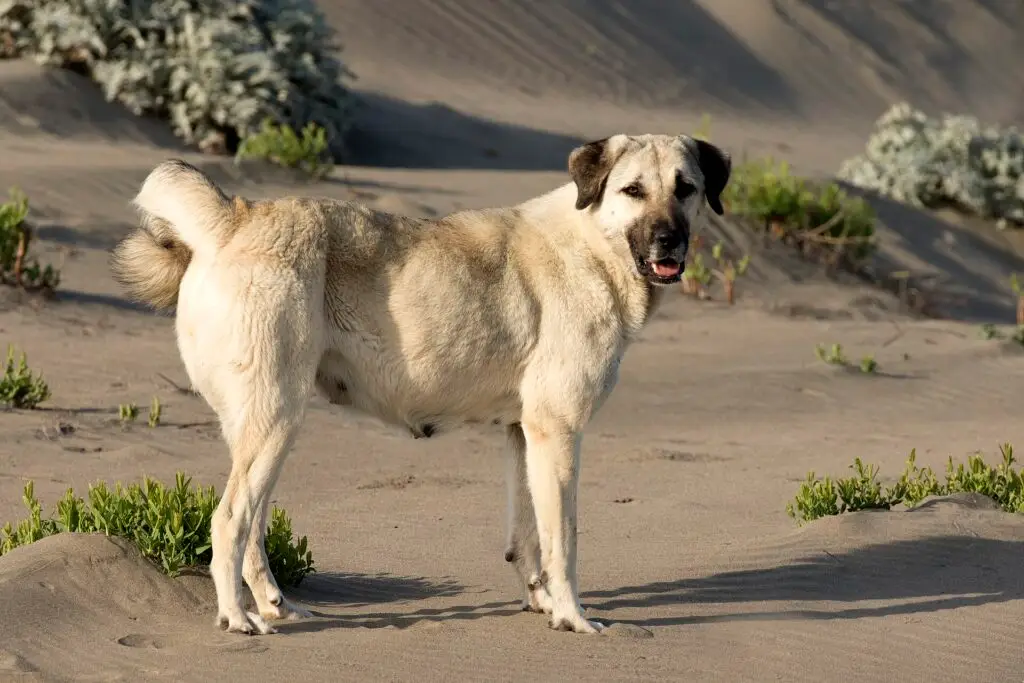
The Anatolian Shepherd Dog Club of America is the AKC parent club. A stud can carry our Verified Health badge when the owner uploads the results on its recommended list:
Test
What we accept
Hips
OFA hip evaluation or PennHIP
Elbows
OFA elbow evaluation
Brucellosis
Negative test taken before the breeding
The breed is healthier than most giants. Even so, hip and elbow dysplasia occur, and eyelid faults such as entropion appear in some lines. In addition, Anatolians can be sensitive to anesthesia, so tell your vet before any procedure. Many breeders add an eye exam and a thyroid panel. Registered results are public on the OFA website.
See our health testing guides for how each test works.
First, ask what he guards. A livestock guardian should bond with his stock, stay with them and judge threats calmly. Therefore, a sire who works sheep, goats or poultry every day has proved the instinct that buyers want.
Next, look at structure. The standard asks for a tall, rugged dog with a broad head and a long stride. Males stand at least 29 inches. However, he should be athletic, not heavy, because he may patrol for miles each night.
Finally, weigh temperament. The breed is independent and reserved, and it decides things for itself. So choose a male who is steady and confident with his family, and never fearful.
The breed descends from the flock guardians of central Turkey. American ranchers imported them in the 1970s to protect sheep without harming predators. The AKC recognized the breed in 1996. Today they also guard livestock in Africa, as part of cheetah conservation projects.
At home, the Anatolian is calm, loyal and protective. However, it is not a typical pet. As a result, responsible breeders place puppies with owners who have land, fencing and a job for the dog.
Anatolians usually breed naturally. However, working ranches are far apart, so chilled semen is common, and frozen semen keeps proven guardians available. Each profile lists the methods on offer.
The dog artificial insemination guide explains timing and shipping. Then see how VerifiedStuds works.
1
First, shortlist studs and message owners through the site to agree on dates and terms.
2
Then book the stud and pay the listed fee by card at checkout.
3
After that, accept the breeding terms before the booking confirms.
4
Finally, the owner is paid through Stripe, and you can leave a verified review after the breeding.
Own an Anatolian Shepherd stud? List Your Stud free. The first 100 studs pay no commission on their first booking.
Also compare Great Pyrenees studs, Tibetan Mastiff studs, Mastiff studs and Saint Bernard studs, or see every breed on our stud dogs by breed page. Planning his workload? Then read our guide to how often a stud can breed.
How much is an Anatolian Shepherd stud fee?
Most owners charge $600 to $1,500. However, proven guardians and champions can ask up to $2,000. These figures are estimates.
What health tests should an Anatolian Shepherd stud have?
Hips and elbows, plus a recent negative brucellosis test. An eye exam and a thyroid panel are useful extras.
Is an Anatolian Shepherd the same as a Kangal?
They are closely related Turkish guardian dogs. The AKC registers the Anatolian Shepherd Dog, while the UKC also recognizes the Kangal separately.
At what age can an Anatolian be used at stud?
Most breeders wait until two years, because OFA gives final hip and elbow ratings at 24 months.
How do I list my Anatolian at stud?
Create a free account, upload his health results and photos, and set your fee. Or let our team build the listing.
List him free while the 100 Founding Stud spots are open, or compare typical fees first.