
Health-tested Scottish Terrier stud dogs from verified owners
Short legs, a long head and a dignified scowl make the Scottie one of the most recognizable dogs in the world. Its main inherited diseases can be found by DNA, which makes a careful pairing easy. On VerifiedStuds, every owner is identity verified, and each profile shows the results beside the fee.
$600 to $1,500+
estimated fee, while champion sires cost more
3 tests
patellas, vWD DNA and CMO DNA
Natural, AI, chilled
breeding methods
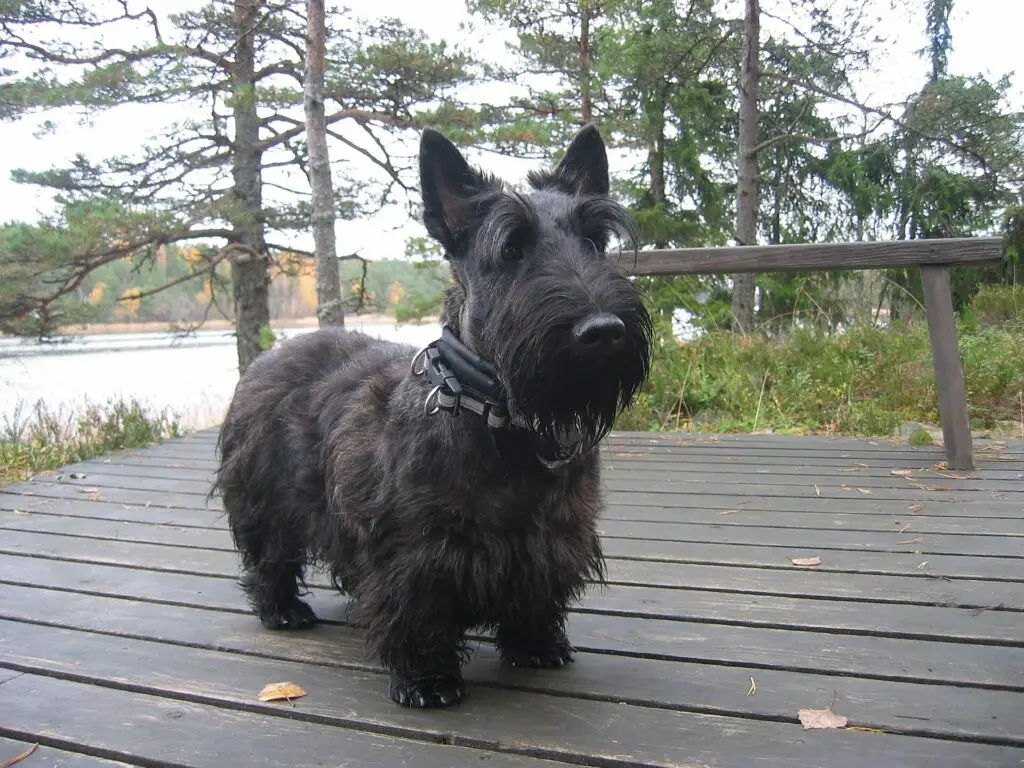
Scottie profiles are opening now. Meanwhile, owners of health-tested males can claim a free Founding Stud spot.
Founding Stud spot open
Show his patella exam and his vWD and CMO DNA results to breeders who are ready to book.
Claim this spotFounding Stud spot open
Founding Studs pay 0% commission on their first booking, and listing is also free.
Claim this spotFounding Stud spot open
Short on time? Then send us the documents, and we will build the listing for you.
Claim this spotScottish Terrier stud fees usually run from $600 to $1,500. A health-tested male with no proven litters often asks $600 to $900. However, champions and proven sires with clear DNA results can ask $1,200 to $2,000.
These are market estimates, since fees are private. Scotties have small litters and often need a cesarean, so breeders choose sires with care. The stud fee guide explains contracts and return services.
$600 to $1,500+
Overall range (estimate): $600 to $2,000
Health-tested, unproven male: $600 to $900
Champion or proven sire: $1,200 to $2,000
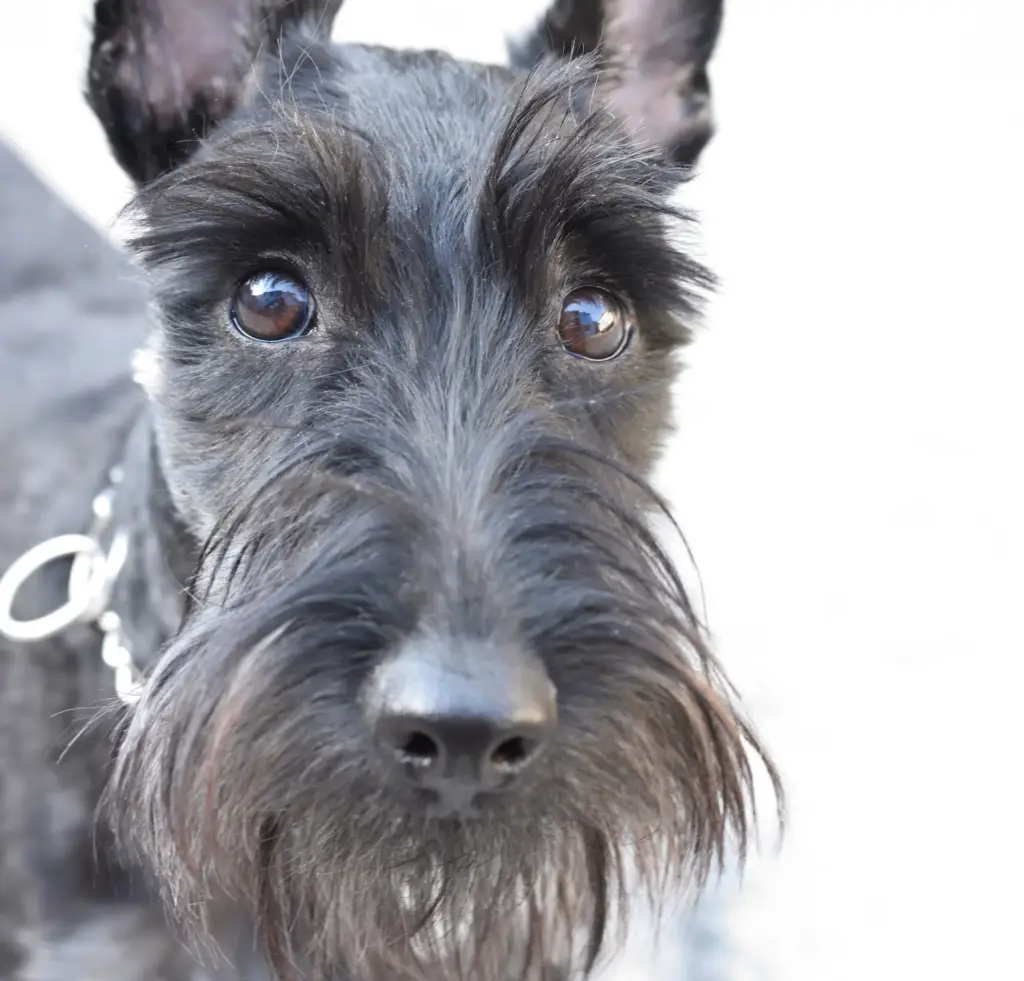
The Scottish Terrier Club of America is the AKC parent club. A stud can carry our Verified Health badge when the owner uploads the results on its recommended list:
Test
What we accept
Patellas
Veterinary patellar luxation exam
vWD type III
DNA test for von Willebrand disease
CMO
DNA test for craniomandibular osteopathy
Brucellosis
Negative test taken before the breeding
Type III von Willebrand disease is the most severe form of this bleeding disorder. Craniomandibular osteopathy, sometimes called "Scottie jaw", causes painful bone growth in puppies. Because DNA tests exist for both, a carrier can be bred safely to a clear dog. Registered results are public on the OFA website.
See our health testing guides for how each test works.
Bladder cancer is far more common in Scotties than in most breeds, and no test can clear a dog. Similarly, Scottie cramp, a harmless but odd movement disorder, has no DNA test yet. Therefore, family history matters. Ask how the stud's parents and grandparents died, and at what age.
In addition, ask about births. Large heads and narrow pelvises mean many Scottie litters arrive by cesarean. So discuss the plan with your vet before the breeding.
First, compare DNA results with your female's. If she carries vWD or CMO, look for a sire who is clear for the same gene. As a result, no puppy can be affected.
Next, judge structure. A correct Scottie is compact and heavy-boned, about 10 inches tall, with a level back and a strong rear. The coat is hard and wiry over a soft undercoat, and it comes in black, wheaten or brindle.
Finally, consider temperament. The AKC describes the breed as independent, confident and spirited. A good sire is bold and steady, never shy.
Scotties can breed naturally. However, their short legs and solid build mean many breeders prefer artificial insemination. Chilled semen is common as well, because show breeders reach across the country for the right sire. Each profile lists the methods on offer.
The dog artificial insemination guide explains timing and shipping. Then see how VerifiedStuds works.
1
First, shortlist studs and message owners through the site to agree on dates and terms.
2
Then book the stud and pay the listed fee by card at checkout.
3
After that, accept the breeding terms before the booking confirms.
4
Finally, the owner is paid through Stripe, and you can leave a verified review after the breeding.
Own a Scottie stud? List Your Stud free. The first 100 studs pay no commission on their first booking.
Also compare West Highland White Terrier studs, Cairn Terrier studs, Miniature Schnauzer studs and Airedale Terrier studs, or see every breed on our stud dogs by breed page. Planning his workload? Then read our guide to how often a stud can breed.
How much is a Scottish Terrier stud fee?
Most owners charge $600 to $1,500. However, champions and proven sires can ask up to $2,000. These figures are estimates.
What health tests should a Scottie stud have?
A patella exam and DNA tests for vWD type III and CMO, plus a recent negative brucellosis test.
What is Scottie cramp?
It is an inherited movement disorder that makes the legs stiffen during excitement. It is not painful, and no DNA test exists yet.
Do Scottish Terriers need cesareans?
Often. Broad heads and narrow hips make natural birth difficult, so plan with your vet.
What colors do Scotties come in?
Black, wheaten and brindle. White is not an accepted Scottie color.
How do I list my Scottie at stud?
Create a free account, upload his health results and photos, and set your fee. Or let our team build the listing.
List him free while the 100 Founding Stud spots are open, or compare typical fees first.