
Health-tested Chesapeake Bay Retriever stud dogs
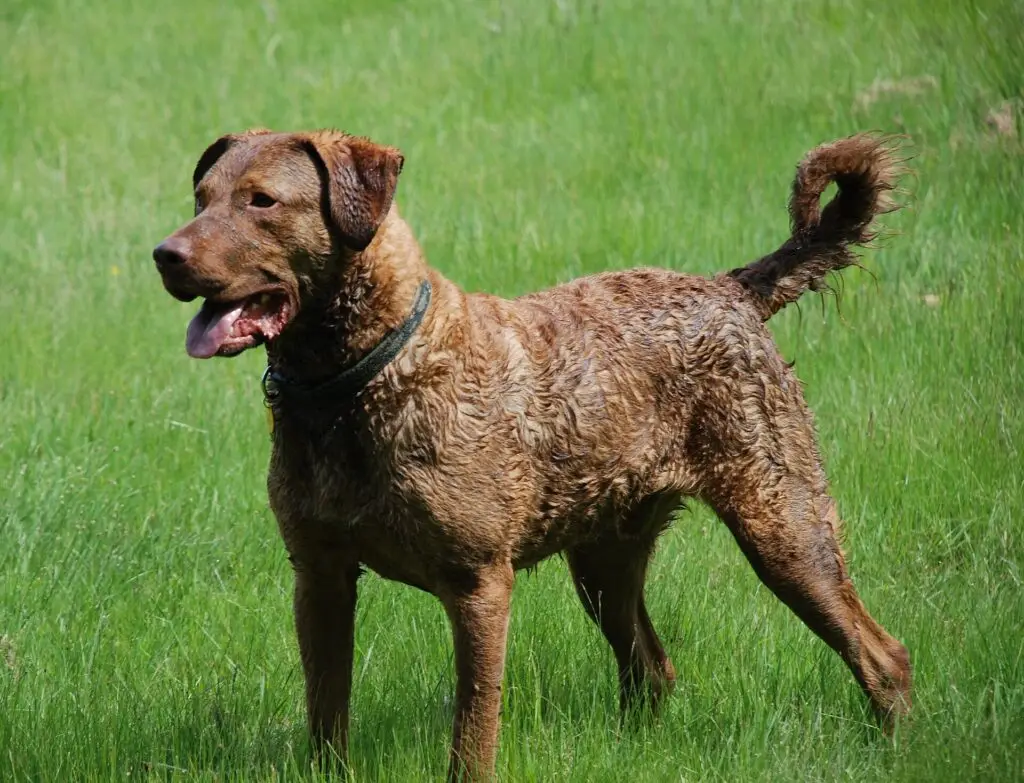
Maryland's duck dog breaks ice to retrieve and shrugs off water with an oily, wavy coat. Hunters value toughness and brains above all, and both are inherited. On VerifiedStuds, every owner is identity verified, and each profile shows health and DNA results beside the fee.
$600 to $1,500+
estimated fee, while titled sires cost more
6 tests
hips, elbows, eyes and three DNA tests
Natural, chilled, frozen
breeding methods
Chessie profiles are opening now. Meanwhile, owners of health-tested hunting and show males can claim a free Founding Stud spot.
Founding Stud spot open
Show his OFA hips, elbows and eyes, his DNA panel and any hunt test or field titles.
Claim this spotFounding Stud spot open
Founding Studs pay 0% commission on their first booking, and listing is also free.
Claim this spotFounding Stud spot open
Short on time? Then send us the documents, and we will build the listing for you.
Claim this spotChesapeake Bay Retriever stud fees usually run from $600 to $1,500. A health-tested male with no proven litters often asks $600 to $900. However, field champions, master hunters and show champions can ask $1,200 to $2,000.
These are market estimates, since fees are private. Hunt test and field trial titles raise the price most. The stud fee guide explains contracts and return services.
$600 to $1,500+
Overall range (estimate): $600 to $2,000
Health-tested, unproven male: $600 to $900
Titled hunting or show sire: $1,200 to $2,000
The American Chesapeake Club is the AKC parent club. A stud can carry our Verified Health badge when the owner uploads the results on its recommended list:
Test
What we accept
Hips
OFA hip evaluation or PennHIP
Elbows
OFA elbow evaluation
Eyes
Exam by a board-certified ophthalmologist
prcd-PRA
DNA test for progressive retinal atrophy
DM
DNA test for degenerative myelopathy
EIC
DNA test for exercise-induced collapse
Brucellosis
Negative test taken before the breeding
All three DNA diseases are recessive. So a carrier bred to a clear dog produces no affected puppies, and the lab report shows which pairings are safe. Registered results are public on the OFA website.
See our degenerative myelopathy DNA test guide and the other health testing guides for how each test works.
First, ask what he does in the field. Hunt test titles, field trial placements or simply seasons of real waterfowl work show marking ability, courage and trainability. Because the breed was built for cold water, a stud who works is worth more than one who only looks the part.
Next, check his coat. A correct Chessie coat is short, harsh and wavy over a dense, woolly undercoat, with natural oil. It should resist water. A soft or curly coat does not protect the dog.
Finally, consider temperament. Chessies are more protective and more independent than other retrievers. Therefore, look for a sire who is confident and biddable, with a bright, happy attitude.
The breed began in 1807, when two Newfoundland-type puppies were rescued from a ship off the coast of Maryland. Their descendants were bred to local dogs to create a tireless retriever for the market hunters of the Chesapeake Bay. The AKC registered its first Chessie in 1878. Males stand 23 to 26 inches.
At home, the breed is loyal, affectionate and devoted to one family. However, it needs daily work and firm, fair training. As a result, it suits hunters and active owners best.
Chesapeakes usually breed naturally. However, hunters often look across the country for a titled sire, so chilled semen is common, and frozen semen keeps great working dogs available. Each profile lists the methods on offer.
The dog artificial insemination guide explains timing and shipping. Then see how VerifiedStuds works.
1
First, shortlist studs and message owners through the site to agree on dates and terms.
2
Then book the stud and pay the listed fee by card at checkout.
3
After that, accept the breeding terms before the booking confirms.
4
Finally, the owner is paid through Stripe, and you can leave a verified review after the breeding.
Own a Chessie stud? List Your Stud free. The first 100 studs pay no commission on their first booking.
Also compare Labrador Retriever studs, Golden Retriever studs, German Shorthaired Pointer studs and Portuguese Water Dog studs, or see every breed on our stud dogs by breed page. Planning his workload? Then read our guide to how often a stud can breed.
How much is a Chesapeake Bay Retriever stud fee?
Most owners charge $600 to $1,500. However, titled hunting and show sires can ask up to $2,000. These figures are estimates.
What health tests should a Chessie stud have?
Hips, elbows, an eye exam and DNA tests for prcd-PRA, DM and EIC, plus a recent negative brucellosis test.
What is EIC in retrievers?
Exercise-induced collapse is an inherited condition where a dog loses control of its legs after hard exercise. A DNA test finds carriers.
What colors do Chesapeake Bay Retrievers come in?
Brown, sedge and deadgrass. All three are meant to blend with marsh and water.
How do I list my Chessie at stud?
Create a free account, upload his health results and photos, and set your fee. Or let our team build the listing.
List him free while the 100 Founding Stud spots are open, or compare typical fees first.