
Bernedoodle stud dogs with coat genes and health results
Crossing a Bernese Mountain Dog with a Poodle gives a tricolor, teddy-bear dog that families adore. It is a cross, not an AKC breed, so quality varies widely. Therefore, health tests and coat DNA matter even more. VerifiedStuds shows both on each stud profile, beside the fee.
$800 to $2,500+
estimated fee, while proven tricolor sires cost more
3 sizes
standard, mini and tiny
Natural, AI, chilled
breeding methods
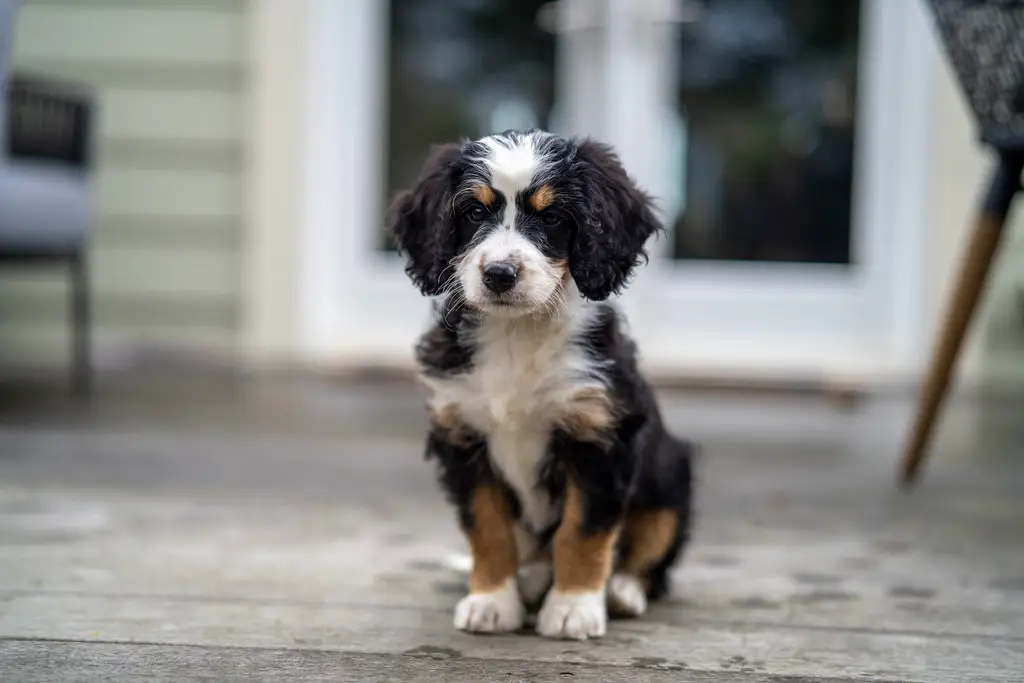
Bernedoodle profiles are opening now. Meanwhile, owners of health-tested males of any size or generation can claim a free Founding Stud spot.
Founding Stud spot open
State his generation, size, color and coat genes, then add hips, elbows, heart, eyes and his DNA panel.
Claim this spotFounding Stud spot open
Founding Studs pay 0% commission on their first booking, and listing is also free.
Claim this spotFounding Stud spot open
Short on time? Then send us the documents, and we will build the listing for you.
Claim this spotBernedoodle stud fees usually run from $800 to $2,500. A health-tested male with no proven litters often charges $800 to $1,500. However, proven sires that produce clear tricolor markings and low-shedding coats can ask $2,000 to $3,500.
These are market estimates, since fees are private. Many breeders also use a purebred Poodle as the sire over a Bernese female. So compare our Poodle stud page too. The stud fee guide explains contracts and return services.
$800 to $2,500+
Overall range (estimate): $800 to $3,500
Health-tested, unproven male: $800 to $1,500
Proven tricolor sire with tested coat genes: $2,000 to $3,500
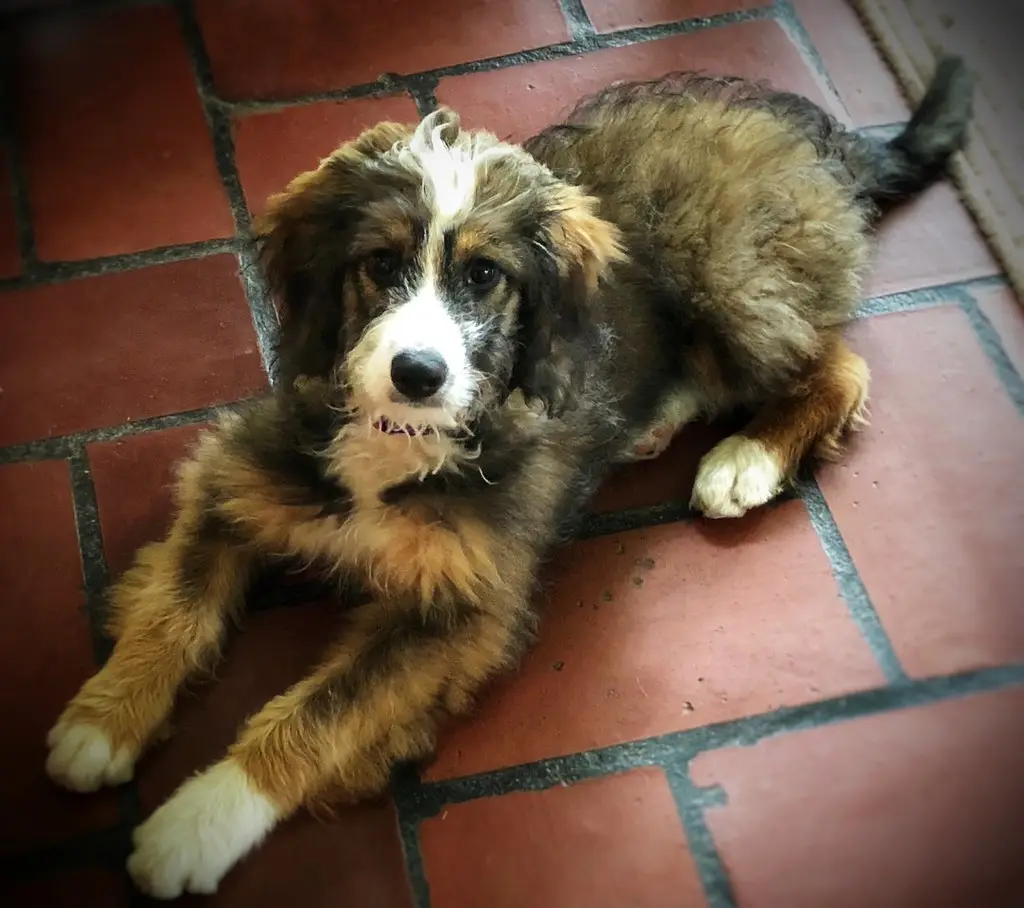
Because the Bernedoodle is a cross, it has no AKC parent club and no CHIC list. So a careful stud owner covers the risks of both parent breeds. We suggest these results:
Test
What we accept
Hips
OFA hip evaluation or PennHIP
Elbows
OFA elbow evaluation
Heart
Cardiac exam registered with OFA
Eyes
Exam by a board-certified ophthalmologist (ACVO)
Patellas
Veterinary exam for mini and tiny sizes
DNA panel
DM, vWD and prcd-PRA, plus coat genes
Brucellosis
Negative test taken before the breeding
The Bernese side brings hip and elbow dysplasia, heart concerns and a sadly short lifespan. The Poodle side adds eye disease and, in small sizes, loose kneecaps. Therefore, a DNA panel should include degenerative myelopathy and von Willebrand disease, which appear in both families. Registered results are on the OFA website.
See our health testing guides for more detail on each test.
First, learn the generation labels. An F1 is a first cross of Bernese and Poodle. An F1b is an F1 bred back to a Poodle. Multigen means both parents are Bernedoodles. Each step changes how predictable the coat and color will be.
Next, ask for coat and color DNA. The furnishings gene gives the fluffy face and is linked to low shedding. In addition, tricolor markings depend on several color genes, and fading is common. So ask to see adult photos of his earlier puppies.
Finally, match the size. A standard comes from a Standard Poodle, while minis and tinies come from smaller Poodles. As a result, weights range from under 25 pounds to more than 80.
Sherry Rupke of SwissRidge Kennels in Canada is credited with the first planned Bernedoodle litter, in 2003. The aim was a calmer, longer-lived companion with the Bernese look. The cross is not recognized by the AKC, and results vary from dog to dog.
At their best, Bernedoodles are gentle, goofy and devoted to their people. However, no dog is truly allergy free. As a result, honest breeders test coats and health, and they explain the limits to buyers.
Bernedoodles of similar size breed naturally. However, most first crosses pair a small Poodle male with a much larger Bernese female, so artificial insemination is the usual route. Chilled semen is common as well. Each profile lists the methods on offer.
The dog artificial insemination guide explains timing and shipping. Then see how VerifiedStuds works.
1
First, shortlist studs and message owners through the site to agree on dates and terms.
2
Then book the stud and pay the listed fee by card at checkout.
3
After that, accept the breeding terms before the booking confirms.
4
Finally, the owner is paid through Stripe, and you can leave a verified review after the breeding.
Own a Bernedoodle stud? List Your Stud free. The first 100 studs pay no commission on their first booking.
Also compare Goldendoodle studs, Labradoodle studs, Bernese Mountain Dog studs and Poodle studs, or see every breed on our stud dogs by breed page. Planning his workload? Then read our guide to the signs of overuse. Purebreds and crosses are both welcome.
How much is a Bernedoodle stud fee?
Most owners charge $800 to $2,500. However, proven tricolor sires with tested coat genes can ask up to $3,500. These figures are estimates.
What health tests should a Bernedoodle stud have?
There is no official list. Even so, good breeders test hips, elbows, heart and eyes, and run a DNA panel. We also require a negative brucellosis test.
How big do Bernedoodles get?
It depends on the Poodle parent. Tiny Bernedoodles can weigh under 25 pounds, minis about 25 to 50, and standards 50 to 90 or more.
Do Bernedoodles keep their tricolor markings?
Not always. Many fade as they mature. Therefore, ask for photos of the stud's adult offspring.
Can crossbreeds be listed on the site?
Yes. Purebred dogs and crosses can both be listed on VerifiedStuds.
How do I list my Bernedoodle at stud?
Create a free account, upload his health and DNA results with photos, and set your fee. Or let our team build the listing.
List him free while the 100 Founding Stud spots are open, or compare typical fees first.