
Great Pyrenees stud dogs from guardian and show lines
For centuries, big white dogs have guarded sheep in the mountains between France and Spain. The Great Pyrenees still does that job on American farms, and it also lives as a calm family companion. So VerifiedStuds asks each stud owner to say whether the dog works livestock, alongside health results and fee.
$400 to $1,200+
typical fee, while champion sires cost more
Hips and patellas
the Great Pyrenees Club of America list
Natural, chilled, frozen
breeding methods
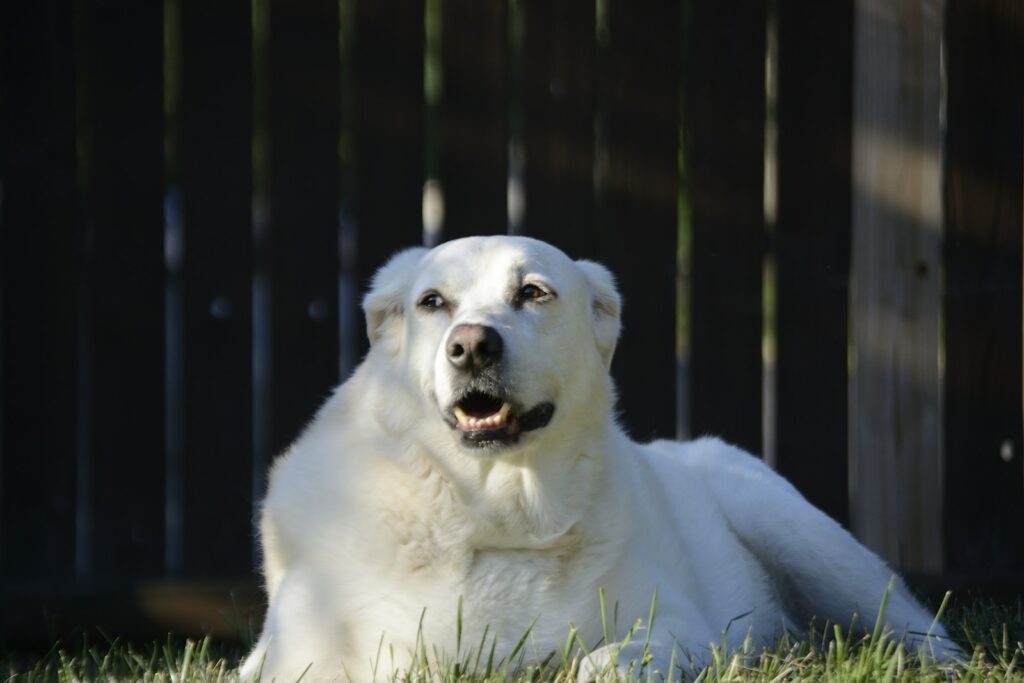
Pyr profiles are opening now. Meanwhile, owners of tested working or show males can claim a free Founding Stud spot.
Founding Stud spot open
Say whether he guards stock or lives as a companion, then add his hip and patella results.
Claim this spotFounding Stud spot open
Founding Studs pay 0% commission on their first booking, and listing is also free.
Claim this spotFounding Stud spot open
Short on time? Then send us the documents, and we will build the listing for you.
Claim this spotGreat Pyrenees stud fees usually run from $400 to $1,200. A health-tested farm guardian without titles often charges $400 to $900. However, AKC champions and proven sires from show kennels can ask $1,200 to $2,000.
These are market estimates, because fees are private. Litters are often large, and among farmers a puppy back is a common payment. Our stud fee guide explains both arrangements.
$400 to $1,200+
Overall range: $400 to $2,000
Health-tested working guardian: $400 to $900
Champion or proven show-line sire: $1,200 to $2,000
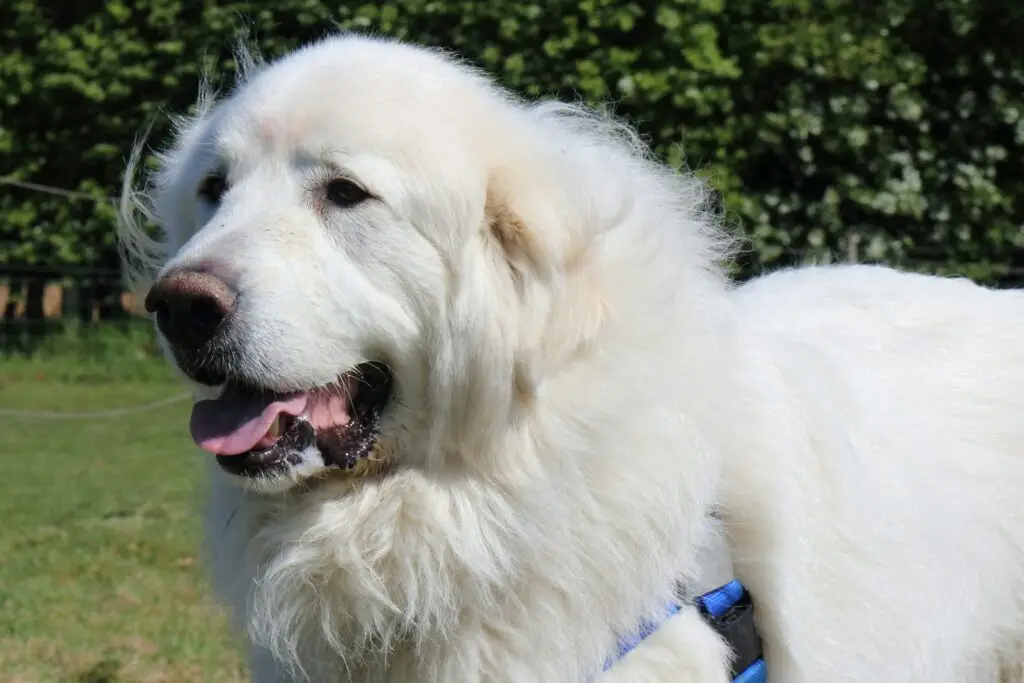
The Great Pyrenees Club of America asks for two evaluations, which the AKC lists on its Working Group health testing page. Owners upload them for the Verified Health badge:
Test
What we accept
Hips
OFA hip evaluation or PennHIP
Patellas
Veterinary patellar luxation exam, registered with OFA
Brucellosis
Negative test taken before the breeding
Many breeders go further. For example, DNA tests exist for a nerve disease called NDG and for an eye condition called CMR1. Elbows, heart and eyes are often checked as well. In addition, bone cancer and bloat occur in the breed, so ask how long his relatives lived. Registered results are on the OFA website.
Our health testing guides explain hip grades, patella exams and DNA results.
First, decide on purpose. For a livestock guardian litter, pick a sire that lives with stock and has proved calm, watchful and gentle with young animals. For companion or show homes, a sire raised in the house with a steady nature is the better guide.
Next, check the breed hallmarks. A Pyr must have double dewclaws on each hind leg. The coat is white, sometimes with badger, gray or tan markings on the head. Males stand 27 to 32 inches and weigh 100 pounds or more.
Finally, look at soundness. A dog this large needs good hips and firm kneecaps to work at night for years. So ask for video of him moving, and for the ages of his parents. In addition, expect an independent mind, since guardians are bred to think for themselves.
The AKC describes the Great Pyrenees as smart, patient and calm. Shepherds in the Pyrenees mountains relied on these dogs to drive off wolves and bears. Later the breed became a favorite at the French royal court.
Pyrs are quiet indoors and watchful outside, especially after dark. They bark to warn and they like to roam, so good fences matter. As a result, they suit farms and homes with space far better than apartments.
Pyrs normally breed naturally, and working dogs often do so on the farm. However, chilled semen is useful when a tested sire with proven guardian instinct is far away. Each profile lists the methods the owner offers.
See the dog artificial insemination guide for timing and shipping. Then read how VerifiedStuds works.
1
First, shortlist studs and message owners through the site to agree on dates and terms.
2
Then book the stud and pay the listed fee by card at checkout.
3
After that, accept the breeding terms before the booking confirms.
4
Finally, the owner is paid through Stripe, and you can leave a verified review after the breeding.
Own a Great Pyrenees stud? List Your Stud free. The first 100 studs pay no commission on their first booking.
Also compare Alaskan Malamute studs, Siberian Husky studs, Saint Bernard studs and Newfoundland studs, or see every breed on our stud dogs by breed page. Planning his workload? Then read our guide to rest between breedings. Owners of every breed can list here.
How much is a Great Pyrenees stud fee?
Most owners charge $400 to $1,200. However, champions and proven show-line sires can ask up to $2,000.
What health tests should a Great Pyrenees stud have?
The parent club asks for hip and patella evaluations. Many breeders add DNA tests, elbows and heart. We also require a negative brucellosis test.
Does a working guardian need health tests?
Yes. A farm dog works on his feet for years, so sound hips and knees matter just as much as in a show dog.
Why do Great Pyrenees have double dewclaws?
They are a breed trait, required by the standard. They are attached by bone and should not be removed.
Can other livestock guardian breeds be listed?
Yes. Every breed is welcome on VerifiedStuds.
How do I list my Great Pyrenees at stud?
Sign up free, upload his health results and photos, and set your fee. Or let our team build the listing for you.
List him free while the 100 Founding Stud spots are open, or compare typical fees first.