
Akita stud dogs with health and temperament on record
The Akita is a large, dignified guardian from the mountains of northern Japan. It is loyal to its family and reserved with everyone else. Because temperament and autoimmune health both run in families, VerifiedStuds shows each stud's results and history, from an identity-verified owner.
$800 to $2,000+
typical fee, while champion sires cost more
3 health tests
on the Akita Club of America list
Natural, chilled, frozen
breeding methods
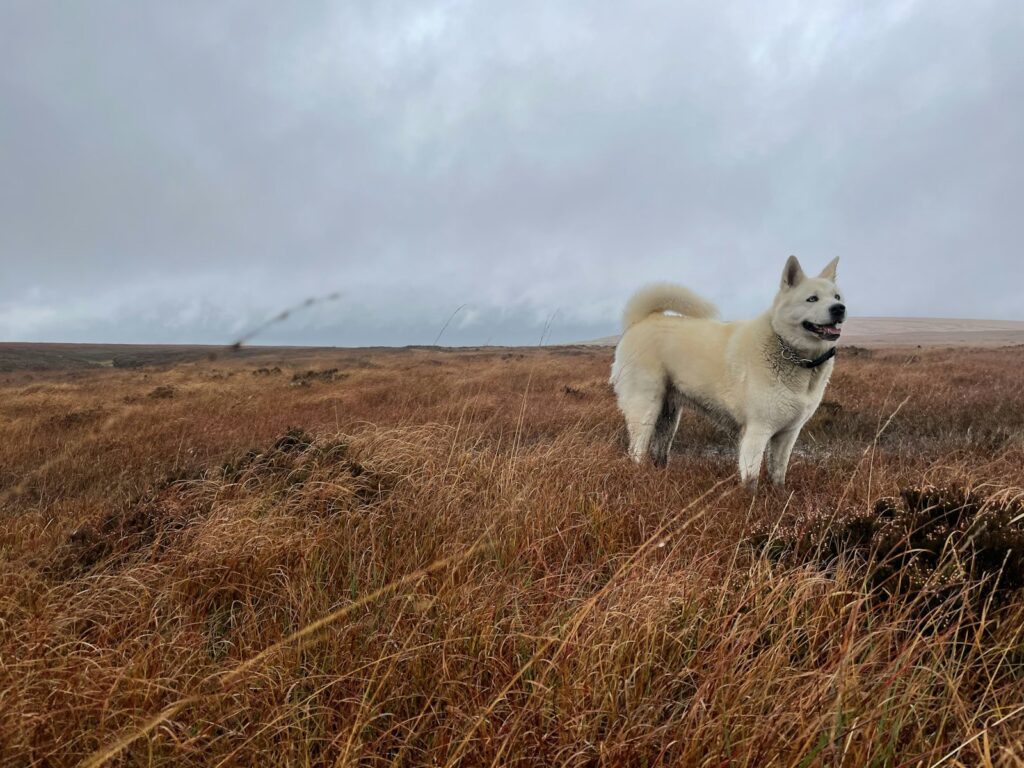
Akita profiles are opening now. In the meantime, owners of health-tested males can claim a free Founding Stud spot.
Founding Stud spot open
Say whether he is American or Japanese type, then add his hip, eye and thyroid results.
Claim this spotFounding Stud spot open
Founding Studs pay 0% commission on their first booking, and listing is also free.
Claim this spotFounding Stud spot open
Short on time? Then send us the documents, and we will build the listing for you.
Claim this spotAkita stud fees usually run from $800 to $2,000. A health-tested male without titles often charges $800 to $1,500. However, AKC champions, imported Japanese lines and proven sires can ask $2,000 to $3,000.
These are market estimates, since fees are private. Akita litters are often large, so some owners charge per puppy or ask for a puppy back. Our stud fee guide compares those arrangements.
$800 to $2,000+
Overall range: $800 to $3,000
Health-tested, untitled male: $800 to $1,500
Champion, import or proven sire: $2,000 to $3,000
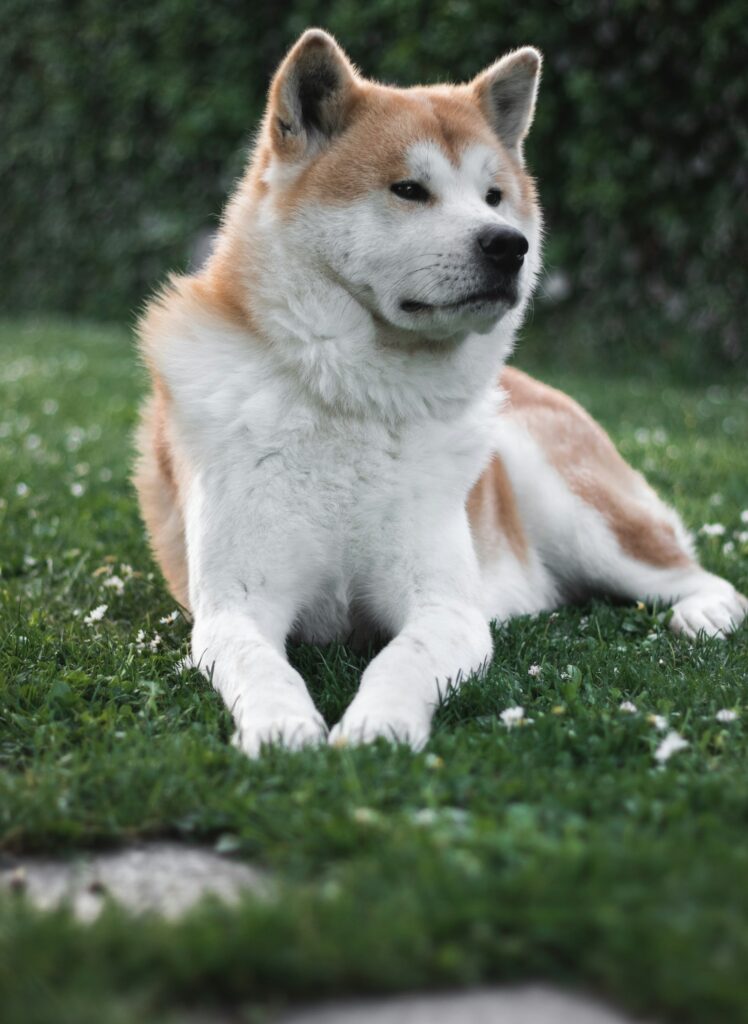
The Akita Club of America sets three tests for a CHIC number, which the AKC lists on its Working Group health testing page. Owners upload these results for the Verified Health badge:
Test
What we accept
Hips
OFA hip evaluation or PennHIP
Eyes
Exam by a board-certified ophthalmologist (ACVO)
Thyroid
OFA thyroid panel from an approved lab
Brucellosis
Negative test taken before the breeding
Autoimmune disease is the breed's biggest worry. For example, sebaceous adenitis attacks the skin, and a condition known as VKH attacks the eyes and skin. Neither has a simple DNA test, so family history is vital. In addition, ask about bloat in close relatives. Registered results are on the OFA website.
For help with hip grades, eye exams and thyroid panels, read our health testing guides.
First, know the two types. The American Akita is larger and heavier, with a broad, bear-like head and any color. The Japanese Akita Inu is lighter and more fox-like, in red, brindle or white. The AKC registers both as one breed, whereas most other countries separate them.
Next, put temperament at the top. A good Akita is calm, confident and tolerant of handling. Sharpness toward people is a serious fault. So meet the stud if you can, and ask how he behaves at the vet and with visitors.
Finally, ask about coat and health history. A long coat is a fault that hides in many lines, and a DNA test can find carriers. Also ask for the ages and causes of death of his parents and grandparents.
The AKC describes the Akita as courageous, dignified and profoundly loyal. The breed comes from Akita prefecture in Japan, where it hunted boar and bear. Hachiko, the dog who waited years for his dead owner, made that loyalty famous.
Males stand 26 to 28 inches tall and weigh 100 to 130 pounds. Helen Keller brought the first Akita to the United States in 1937. Because the breed is powerful and strong-willed, breeders choose sires and homes with great care.
Akitas can breed naturally. However, they are strong, independent dogs, and introductions do not always go smoothly. Therefore, many owners prefer artificial insemination, which keeps both dogs safe. Chilled and frozen semen are available from many kennels, and each profile says so.
The dog artificial insemination guide explains the steps. Then see how VerifiedStuds works.
1
First, shortlist studs and message owners through the site to agree on dates and terms.
2
Then book the stud and pay the listed fee by card at checkout.
3
After that, accept the breeding terms before the booking confirms.
4
Finally, the owner is paid through Stripe, and you can leave a verified review after the breeding.
Own an Akita stud? List Your Stud free. The first 100 studs pay no commission on their first booking.
Also compare Chow Chow studs, Rhodesian Ridgeback studs, Great Dane studs and Belgian Malinois studs, or see every breed on our stud dogs by breed page. Planning his workload? Then read our guide to how often a stud can breed. Owners of every breed can list here.
How much is an Akita stud fee?
Most owners charge $800 to $2,000. However, champions, imports and proven sires can ask up to $3,000.
What health tests should an Akita stud have?
The parent club list covers hips, eyes and thyroid. We also require a negative brucellosis test before each breeding.
Are American and Japanese Akitas the same breed?
In the AKC, yes. However, most kennel clubs abroad treat them as two breeds, and many breeders keep the types apart.
Do Akitas get along with other dogs?
Many are intolerant of dogs of the same sex. Therefore, introductions for a natural mating need experienced handlers.
Can I list a Japanese breed without a page?
Yes. Every breed is welcome on VerifiedStuds.
How do I list my Akita at stud?
Sign up free, add his type, health results and photos, and set your fee. Or send us the details, and we will build the listing.
List him free while the 100 Founding Stud spots are open, or compare typical fees first.