
Health-tested Presa Canario stud dogs with papers
Broad, calm and watchful, the Perro de Presa Canario was bred in the Canary Islands to guard farms and work cattle. It is rare in America, which makes papers and health proof especially important. On VerifiedStuds, every owner is identity verified, and each profile shows both beside the fee.
$1,000 to $3,000+
estimated fee, while proven sires cost more
Hips, elbows, heart
the core tests we suggest
Natural, AI, chilled
breeding methods
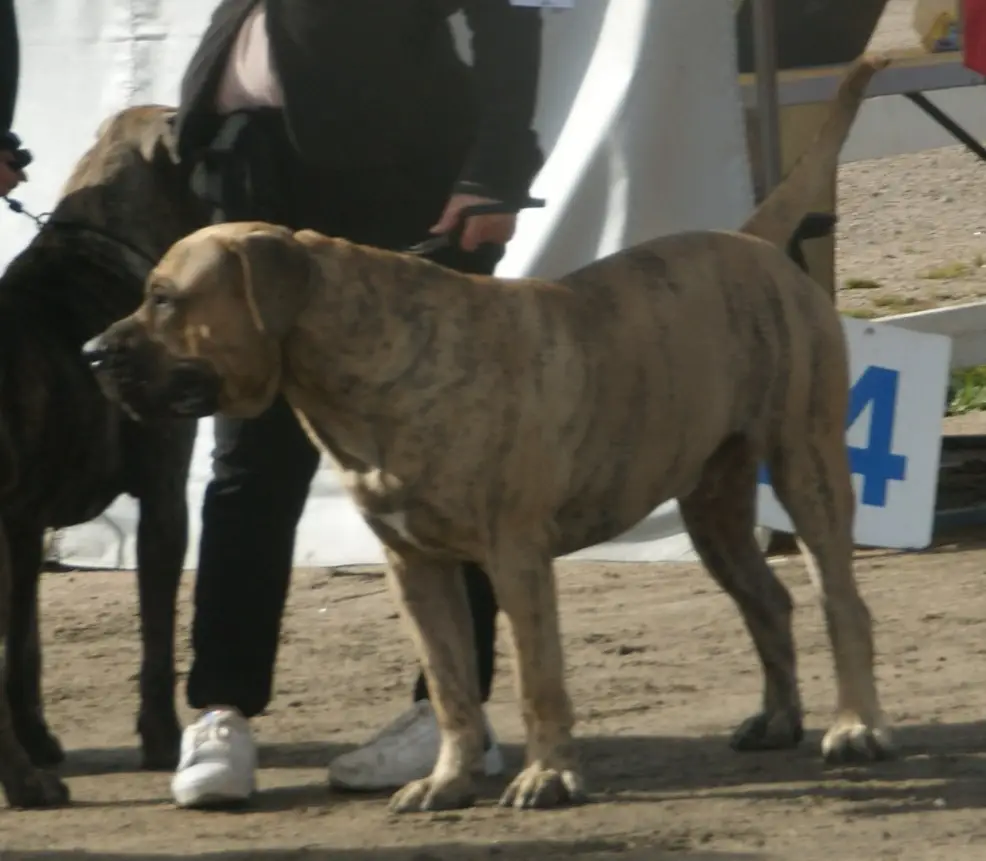
Presa Canario profiles are opening now. Meanwhile, owners of health-tested, registered males can claim a free Founding Stud spot.
Founding Stud spot open
State his registry and bloodline, then add his OFA hips, elbows and heart exam.
Claim this spotFounding Stud spot open
Founding Studs pay 0% commission on their first booking, and listing is also free.
Claim this spotFounding Stud spot open
Short on time? Then send us the documents, and we will build the listing for you.
Claim this spotPresa Canario stud fees usually run from $1,000 to $3,000. A health-tested male with no proven litters often asks $1,000 to $1,500. However, imported, titled or proven sires can ask $2,000 to $3,500.
These are market estimates, since fees are private. Because the breed is uncommon, pedigree and import lines move the price a great deal. The stud fee guide explains contracts and return services.
$1,000 to $3,000+
Overall range (estimate): $1,000 to $3,500
Health-tested, unproven male: $1,000 to $1,500
Imported, titled or proven sire: $2,000 to $3,500
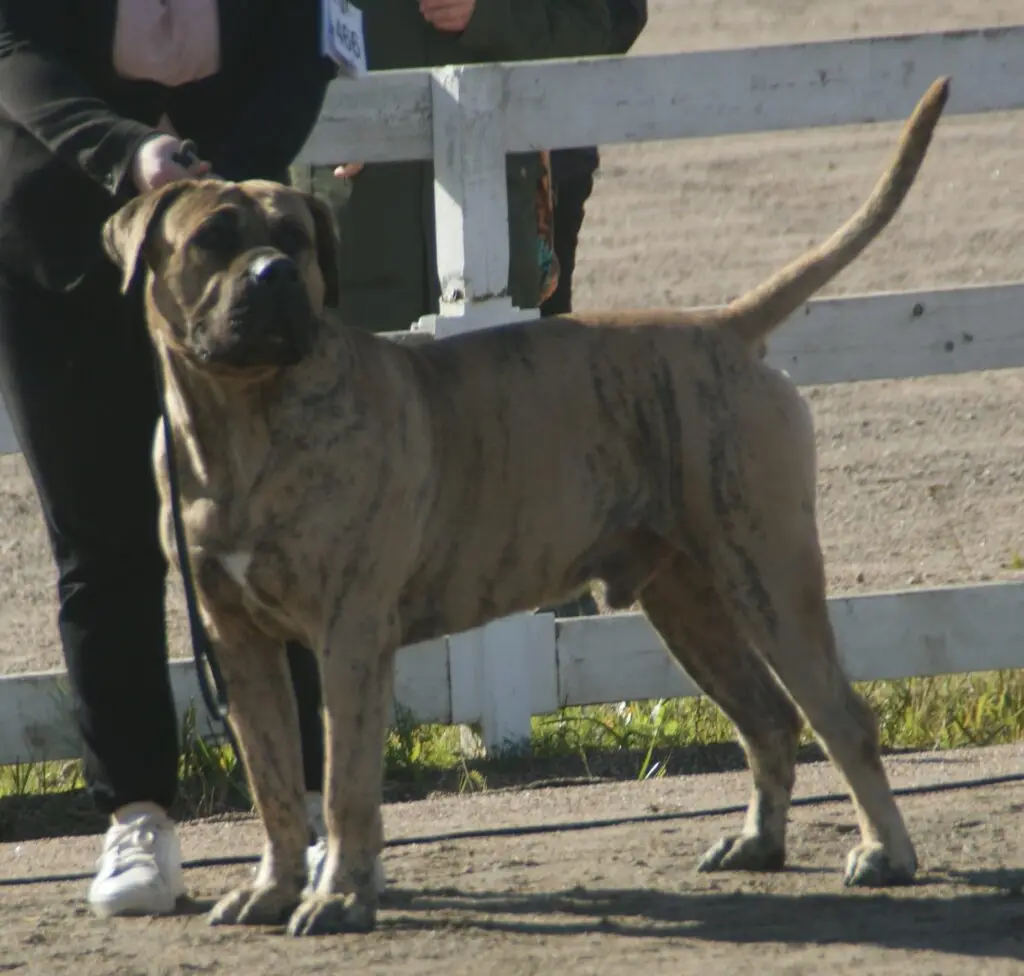
The breed sits in the AKC Foundation Stock Service, so it has no full AKC parent club list yet. However, the same risks appear as in other large mastiff breeds. We suggest these results:
Test
What we accept
Hips
OFA hip evaluation or PennHIP
Elbows
OFA elbow evaluation
Heart
Cardiac exam registered with OFA
Patellas
Veterinary patellar luxation exam
Eyes
Exam by a board-certified ophthalmologist
Brucellosis
Negative test taken before the breeding
Hip and elbow dysplasia are the main concerns in a dog of this weight. In addition, eyelid problems such as entropion occur, and demodectic mange runs in some lines. Therefore, ask about skin and eyes as well as joints. Registered results are public on the OFA website.
See our health testing guides for how each test works.
First, check his papers. The United Kennel Club recognizes the breed, the FCI registers it as the Dogo Canario, and the AKC records it in the Foundation Stock Service. Any recognized registry is accepted here. However, his papers should match your female's, so the litter can be registered.
Next, look at type. A correct Presa is rectangular, with a broad head, a black mask and a cat-like, powerful stride. Males stand about 23 to 26 inches. Therefore, be wary of dogs that look more like a Mastiff or a Cane Corso.
Finally, put temperament first. The standard asks for a calm, confident dog that is steady with its family. A fearful or reactive sire is a serious risk in a guardian this strong.
The breed developed over centuries in the Canary Islands, where it drove cattle and guarded property. It nearly disappeared in the twentieth century, and breeders rebuilt it from the 1970s. The UKC has recognized it since 2003.
At home, a well-bred Presa is quiet and devoted. However, it needs early training and an experienced owner. Some places also restrict the breed. As a result, check local laws and insurance rules before you plan a litter.
Presas usually breed naturally. However, good sires are few, so chilled semen is common, and frozen semen brings in European lines. Each profile lists the methods on offer.
The dog artificial insemination guide explains timing and shipping. Then see how VerifiedStuds works.
1
First, shortlist studs and message owners through the site to agree on dates and terms.
2
Then book the stud and pay the listed fee by card at checkout.
3
After that, accept the breeding terms before the booking confirms.
4
Finally, the owner is paid through Stripe, and you can leave a verified review after the breeding.
Own a Presa Canario stud? List Your Stud free. The first 100 studs pay no commission on their first booking.
Also compare Cane Corso studs, Dogo Argentino studs, Boerboel studs and Bullmastiff studs, or see every breed on our stud dogs by breed page. Planning his workload? Then read our guide to how often a stud can breed.
How much is a Presa Canario stud fee?
Most owners charge $1,000 to $3,000. However, imported and proven sires can ask up to $3,500. These figures are estimates.
What health tests should a Presa Canario stud have?
Hips, elbows and a cardiac exam are the core, plus a recent negative brucellosis test. Patellas and eyes are useful extras.
Is the Presa Canario an AKC breed?
Not fully. The AKC keeps it in the Foundation Stock Service, while the UKC recognizes it as a full breed.
Is a Presa Canario the same as a Cane Corso?
No. They are separate breeds from different countries. The Presa is Spanish, and the Cane Corso is Italian.
Are there laws about Presa Canarios?
Some countries and local governments restrict the breed. Check the rules where you live. This page is not legal advice.
How do I list my Presa at stud?
Create a free account, upload his papers, health results and photos, and set your fee. Or let our team build the listing.
List him free while the 100 Founding Stud spots are open, or compare typical fees first.