
Australian Cattle Dog stud dogs, blue and red heelers
Ranchers know this dog as the blue heeler or red heeler. It was built to move stubborn cattle across rough country, and it still has the grit to prove it. Because deafness and eye disease run in the breed, VerifiedStuds shows each stud's hearing, eye and DNA results beside his fee.
$400 to $1,200+
typical fee, while proven working sires cost more
6 health tests
on the Australian Cattle Dog Club of America list
Natural, chilled, frozen
breeding methods
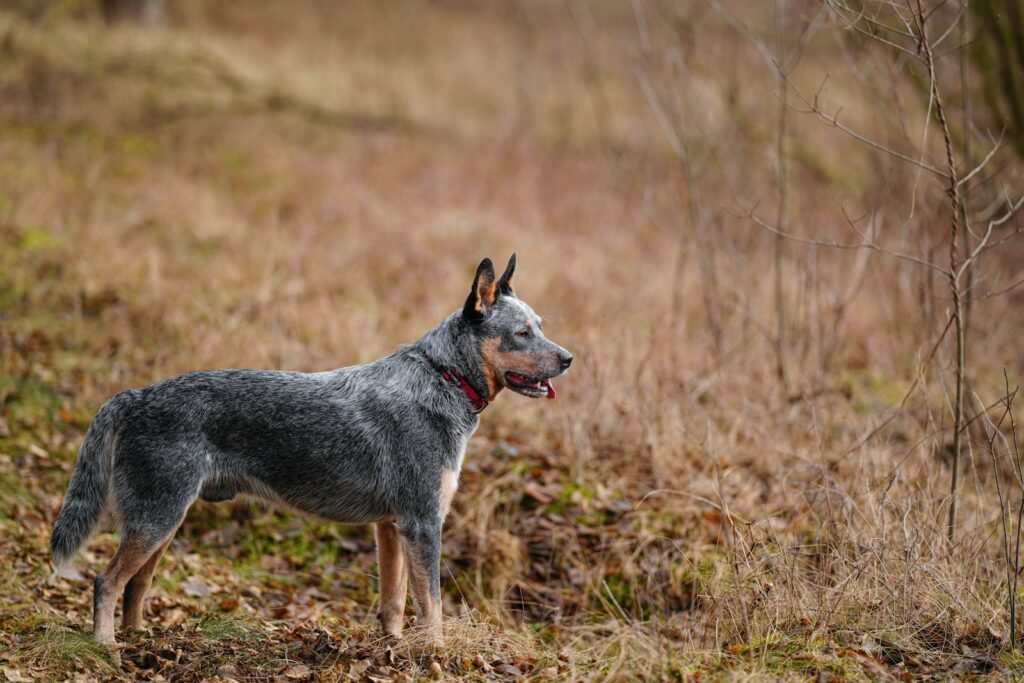
Cattle Dog profiles are being verified. Meanwhile, owners of tested working or show males can claim a free Founding Stud spot.
Founding Stud spot open
Post his BAER hearing result, PLL and PRA status, and his hips and elbows, then say what stock he works.
Claim this spotFounding Stud spot open
Founding Studs pay 0% commission on their first booking, and listing is also free.
Claim this spotFounding Stud spot open
Short on time? Then send us the documents, and we will build the listing for you.
Claim this spotCattle Dog stud fees usually run from $400 to $1,200. A health-tested ranch dog without titles often charges $400 to $900. However, AKC champions, herding trial winners and proven working sires can ask $1,200 to $2,000.
These are market estimates, since fees are private. On ranches, a pup from the litter is a common payment. Our stud fee guide explains how to write up either deal.
$400 to $1,200+
Overall range: $400 to $2,000
Health-tested ranch dog: $400 to $900
Champion or proven working sire: $1,200 to $2,000
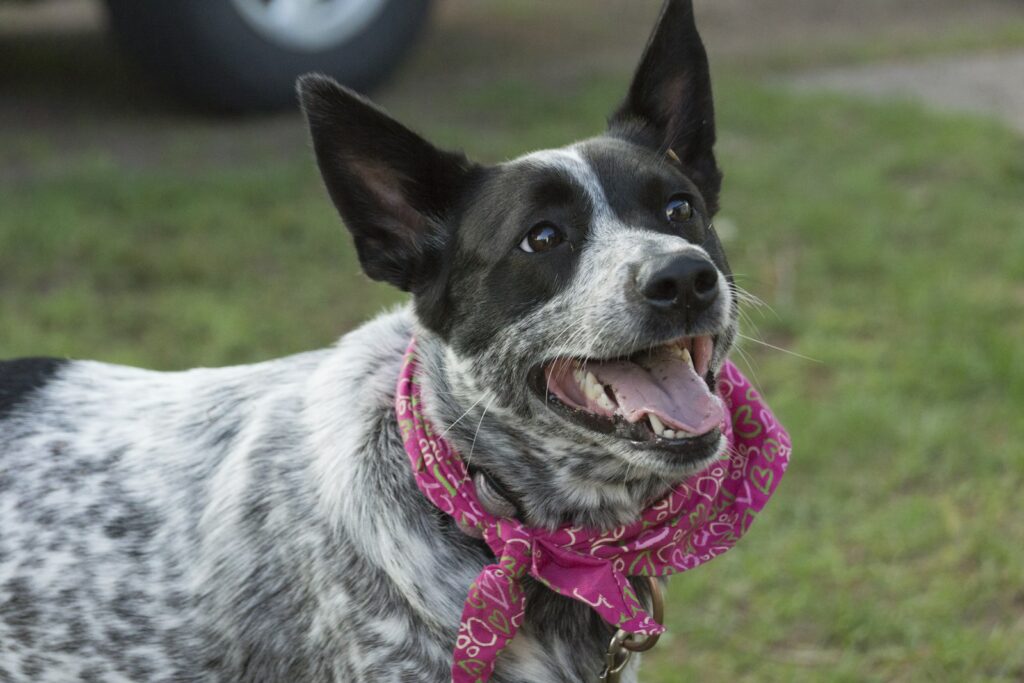
The Australian Cattle Dog Club of America sets six tests, and the AKC lists them on its Herding Group health testing page. Owners upload these results for the Verified Health badge:
Test
What we accept
Hearing
BAER test showing hearing in both ears
Hips
OFA hip evaluation or PennHIP
Elbows
OFA elbow evaluation
Eyes
Exam by a board-certified ophthalmologist (ACVO)
PRA-prcd
Progressive Retinal Atrophy DNA test
PLL
Primary Lens Luxation DNA test
Brucellosis
Negative test taken before the breeding
Deafness is linked to the white coat that puppies are born with, so the BAER test is essential. In addition, two DNA tests prevent blindness. PRA-prcd destroys the retina, while primary lens luxation (PLL) causes the lens to slip. Registered results are on the OFA website.
For help with hearing, eye and joint reports, see our health testing guides.
First, ask what he does. A heeler should have the nerve to face a cow and the sense to stop when told. So look for herding titles or honest reports from people who have worked beside him. Sport titles in agility or obedience also show trainability.
Next, check color and size. The breed comes in blue and in red speckle, and puppies are born white before the color comes in. Males should stand 18 to 20 inches. In addition, so-called mini heelers are not a recognized variety.
Finally, think about temperament. Cattle Dogs are loyal to one family and wary of strangers. However, a stud should be steady and controllable, not sharp. Therefore, ask how he behaves with visitors and at the vet.
The AKC describes the Australian Cattle Dog as alert, curious and pleasant. Australian stockmen created the breed in the 1800s by crossing herding dogs with the native dingo. The result could drive cattle for days in fierce heat.
The breed weighs 35 to 50 pounds and is famous for toughness and long life. It needs a job and a firm, fair owner. As a result, it suits ranches and very active homes far better than quiet ones.
Cattle Dogs mate naturally without help. However, chilled semen lets a breeder reach a tested, proven working dog on a distant ranch. Frozen semen, including Australian bloodlines, is available from some kennels. Each profile lists the methods on offer.
The dog artificial insemination guide covers timing and shipping. Then see how VerifiedStuds works.
1
First, shortlist studs and message owners through the site to agree on dates and terms.
2
Then book the stud and pay the listed fee by card at checkout.
3
After that, accept the breeding terms before the booking confirms.
4
Finally, the owner is paid through Stripe, and you can leave a verified review after the breeding.
Own a heeler stud? List Your Stud free. The first 100 studs pay no commission on their first booking.
Also compare Australian Shepherd studs, Miniature American Shepherd studs, Pembroke Welsh Corgi studs and Sheltie studs, or see every breed on our stud dogs by breed page. Planning his workload? Then read our guide to age limits for studs. Owners of every breed can list here.
How much is an Australian Cattle Dog stud fee?
Most owners charge $400 to $1,200. However, champions and proven working sires can ask up to $2,000.
What health tests should a Cattle Dog stud have?
The parent club list covers hearing, hips, elbows, eyes and two DNA tests, PRA-prcd and PLL. We also require a negative brucellosis test.
Is a blue heeler the same as an Australian Cattle Dog?
Yes. Blue heeler and red heeler are everyday names for the two colors of the Australian Cattle Dog.
Why are Cattle Dog puppies born white?
The breed carries a gene that delays color. Blue or red hairs grow in over the first weeks. The same gene is linked to deafness.
Can working ranch dogs be listed?
Yes. Any breed, registered or working, can be listed on VerifiedStuds.
How do I list my heeler at stud?
Create a free account, upload his health results and photos, and set your fee. Or ask our team to build the listing.
List him free while the 100 Founding Stud spots are open, or review typical fees first.