
Health-tested Tibetan Mastiff stud dogs from verified owners
Huge, heavy-coated and fiercely independent, this ancient guardian protected Himalayan villages and flocks for thousands of years. It is a primitive breed with a primitive cycle: most females come into season only once a year. On VerifiedStuds, every owner is identity verified, and each profile shows health results beside the fee.
$1,000 to $3,000+
estimated fee, while imported sires cost more
4 tests
hips, elbows, eyes and thyroid
Natural, chilled, frozen
breeding methods
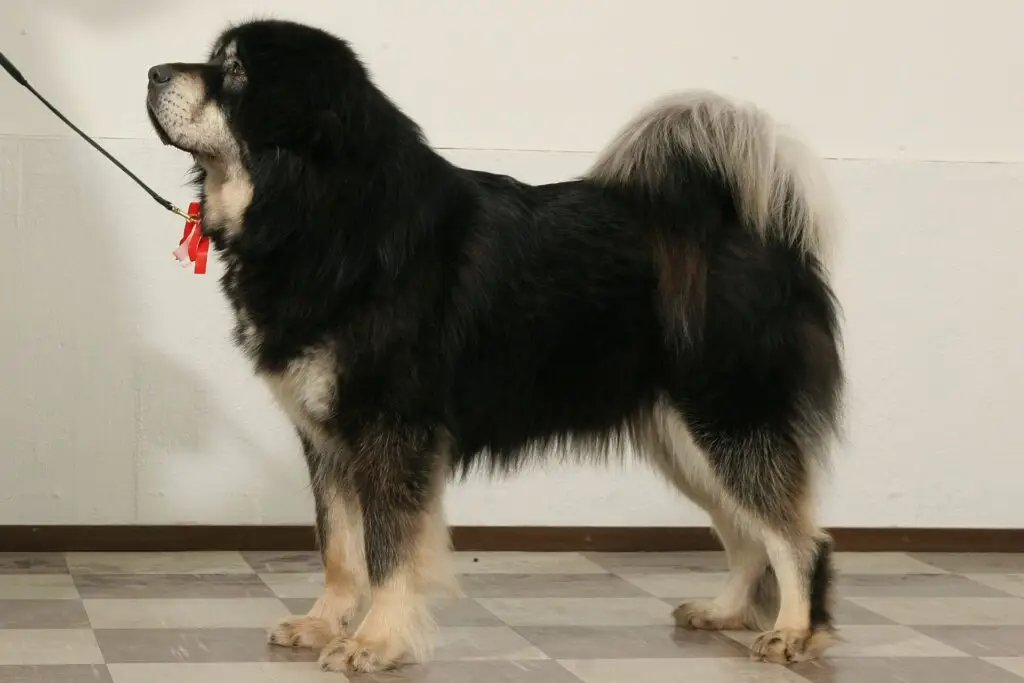
Tibetan Mastiff profiles are opening now. Meanwhile, owners of health-tested males can claim a free Founding Stud spot.
Founding Stud spot open
Show his OFA hips, elbows, eye exam and thyroid result to breeders who are ready to book.
Claim this spotFounding Stud spot open
Founding Studs pay 0% commission on their first booking, and listing is also free.
Claim this spotFounding Stud spot open
Short on time? Then send us the documents, and we will build the listing for you.
Claim this spotTibetan Mastiff stud fees usually run from $1,000 to $3,000. A health-tested male with no proven litters often asks $1,000 to $1,500. However, champions and imported sires with heavy bone and coat can ask $2,000 to $4,000.
These are market estimates, since fees are private. The breed is rare, and one yearly season concentrates demand into a few weeks. The stud fee guide explains contracts and return services.
$1,000 to $3,000+
Overall range (estimate): $1,000 to $4,000
Health-tested, unproven male: $1,000 to $1,500
Champion or imported sire: $2,000 to $4,000
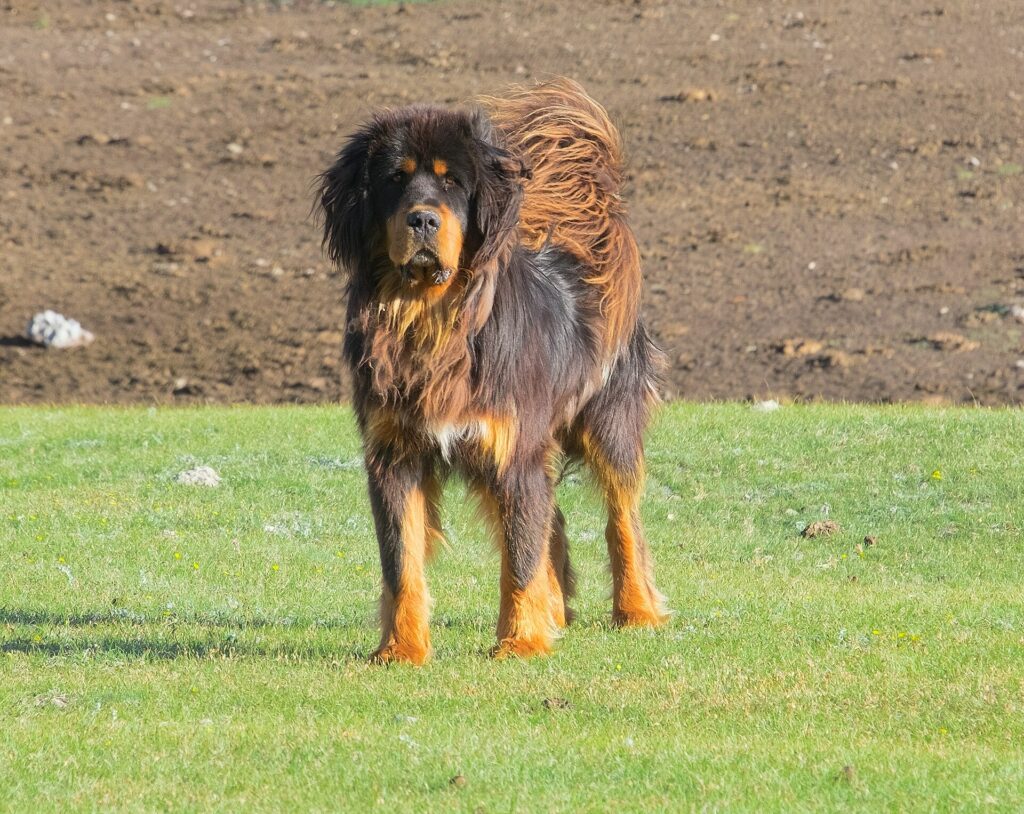
The American Tibetan Mastiff Association is the AKC parent club. A stud can carry our Verified Health badge when the owner uploads the results on its recommended list:
Test
What we accept
Hips
OFA hip evaluation or PennHIP
Elbows
OFA elbow evaluation
Eyes
Exam by a board-certified ophthalmologist
Thyroid
OFA thyroid evaluation
Brucellosis
Negative test taken before the breeding
Hip and elbow dysplasia are the main concerns in a dog of this size. In addition, an underactive thyroid is common, and eyelid faults such as entropion occur. A rare inherited nerve disease, known as CIDN, was once seen in the breed, so ask whether it appears in his pedigree. Registered results are public on the OFA website.
See our health testing guides for how each test works.
Most Tibetan Mastiff females cycle once a year, usually in late autumn. So puppies arrive in winter, and every stud booking falls in the same short window. Males also mature slowly, and many are not reliable breeders until three or four years old.
Therefore, contact the stud owner months ahead, and agree a backup plan. In addition, use progesterone tests, since a missed season means a full year's wait. Read progesterone testing for dogs and the dog heat cycle guide.
First, put temperament first. This is a serious guardian that thinks for itself. The standard asks for a dog that is aloof with strangers yet calm and stable. A nervous or overly sharp male is a liability at well over 100 pounds.
Next, look at structure. A good Tibetan Mastiff is powerful and slightly longer than tall, with heavy bone and a level back. Males stand at least 26 inches. However, oversized, heavily wrinkled dogs are often less sound.
Finally, check the pedigree. The gene pool outside Asia is small. As a result, breeders value unrelated lines. The AKC recognized the breed in 2006.
Tibetan Mastiffs usually breed naturally. However, with so few sires and one short season, chilled and frozen semen are both widely used. Each profile lists the methods on offer.
The dog artificial insemination guide explains timing and shipping. Then see how VerifiedStuds works.
1
First, shortlist studs and message owners through the site to agree on dates and terms.
2
Then book the stud and pay the listed fee by card at checkout.
3
After that, accept the breeding terms before the booking confirms.
4
Finally, the owner is paid through Stripe, and you can leave a verified review after the breeding.
Own a Tibetan Mastiff stud? List Your Stud free. The first 100 studs pay no commission on their first booking.
Also compare Great Pyrenees studs, Anatolian Shepherd Dog studs, Leonberger studs and Newfoundland studs, or see every breed on our stud dogs by breed page. Related dogs are common in this breed, so read our guide to the coefficient of inbreeding.
How much is a Tibetan Mastiff stud fee?
Most owners charge $1,000 to $3,000. However, champions and imported sires can ask up to $4,000. These figures are estimates.
What health tests should a Tibetan Mastiff stud have?
Hips, elbows, an eye exam and a thyroid evaluation, plus a recent negative brucellosis test.
How often do Tibetan Mastiffs come into heat?
Usually once a year, in late autumn. Most other breeds cycle about twice a year.
At what age can a Tibetan Mastiff be used at stud?
Final hip results come at two years. However, males mature slowly, and many breed reliably only from three or four.
How do I list my Tibetan Mastiff at stud?
Create a free account, upload his health results and photos, and set your fee. Or let our team build the listing.
List him free while the 100 Founding Stud spots are open, or compare typical fees first.