
Health-tested Lhasa Apso stud dogs from verified owners
Bred for a thousand years as a watchdog in Tibetan monasteries, this small dog carries itself like a much larger one. It is hardy and long-lived, yet a few inherited problems deserve a check. On VerifiedStuds, every owner is identity verified, and each profile shows health results beside the fee.
$500 to $1,200+
estimated fee, while champion sires cost more
Eyes first
then patellas, hips and kidneys
Natural, chilled, frozen
breeding methods
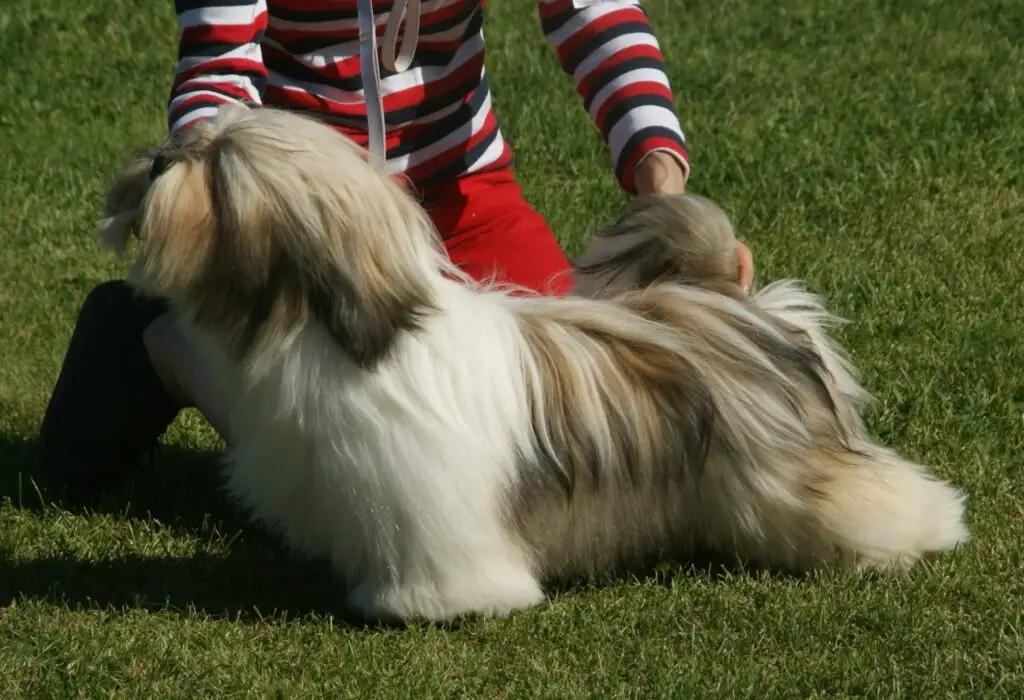
Lhasa Apso profiles are opening now. Meanwhile, owners of health-tested males can claim a free Founding Stud spot.
Founding Stud spot open
Show his eye exam, patella exam and any kidney screening to breeders who are ready to book.
Claim this spotFounding Stud spot open
Founding Studs pay 0% commission on their first booking, and listing is also free.
Claim this spotFounding Stud spot open
Short on time? Then send us the documents, and we will build the listing for you.
Claim this spotLhasa Apso stud fees usually run from $500 to $1,200. A health-tested male with no proven litters often asks $500 to $700. However, champions and proven sires with correct coats can ask $1,000 to $1,500.
These are market estimates, since fees are private. Good show-bred Lhasas are not common, so breeders often travel or ship semen. The stud fee guide explains contracts and return services.
$500 to $1,200+
Overall range (estimate): $500 to $1,500
Health-tested, unproven male: $500 to $700
Champion or proven sire: $1,000 to $1,500
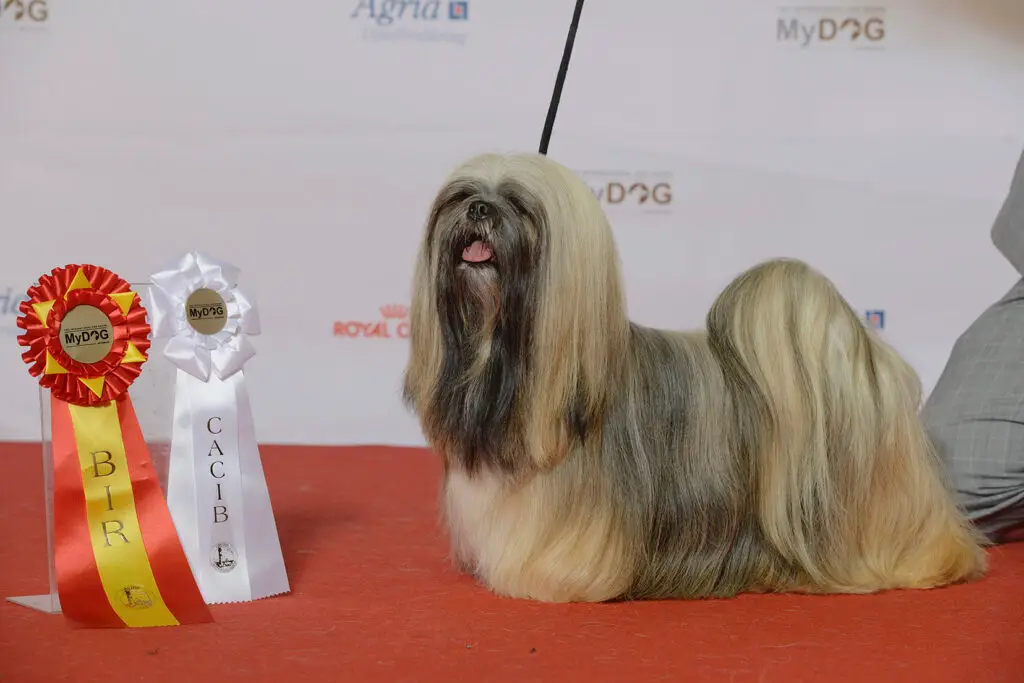
The American Lhasa Apso Club is the AKC parent club. The AKC's breed health page lists no required tests for the breed. However, careful breeders still screen for its known weak points. We suggest these results:
Test
What we accept
Eyes
Exam by a board-certified ophthalmologist
Patellas
Veterinary patellar luxation exam
Hips
OFA hip evaluation
Kidneys
Blood and urine screen from a vet
Brucellosis
Negative test taken before the breeding
Eye problems lead the list. Dry eye, cherry eye and progressive retinal atrophy all occur, and a DNA test exists for one form of PRA. In addition, renal dysplasia is a kidney defect that puppies are born with, and it has no reliable DNA test. Therefore, ask whether any relative died young of kidney failure. Registered results are public on the OFA website.
See the CAER eye exam guide and our other health testing guides for how each test works.
First, look under the coat. A good Lhasa is longer than tall, well ribbed and sturdy, with a level back. Since a heavy coat hides faults, put your hands on him or ask for photos in a short trim.
Next, check his head and breathing. The muzzle should be of medium length, not flat. As a result, a correct Lhasa breathes quietly and copes well with exercise.
Finally, judge temperament honestly. The breed is naturally wary of strangers, which suited its watchdog role. Even so, a stud should be confident and never snappy.
Lhasas guarded the inside of Tibetan monasteries and palaces, barking to warn of anyone who passed the mastiffs outside. Dalai Lamas gave them as gifts, and the first pairs reached America in the 1930s. The AKC describes the breed as confident, smart and comical. Males stand 10 to 11 inches.
At home, the Lhasa is loyal and playful with its family. However, the long coat needs daily care unless it is clipped. Therefore, most pet owners keep it short.
Lhasa Apsos usually breed naturally. However, show breeders often ship chilled or frozen semen, because quality sires are spread thinly. Each profile lists the methods on offer.
The dog artificial insemination guide explains timing and shipping. Then see how VerifiedStuds works.
1
First, shortlist studs and message owners through the site to agree on dates and terms.
2
Then book the stud and pay the listed fee by card at checkout.
3
After that, accept the breeding terms before the booking confirms.
4
Finally, the owner is paid through Stripe, and you can leave a verified review after the breeding.
Own a Lhasa Apso stud? List Your Stud free. The first 100 studs pay no commission on their first booking.
Also compare Shih Tzu studs, Havanese studs, Maltese studs and Pekingese studs, or see every breed on our stud dogs by breed page. Planning his workload? Then read our guide to how often a stud can breed.
How much is a Lhasa Apso stud fee?
Most owners charge $500 to $1,200. However, champions and proven sires can ask up to $1,500. These figures are estimates.
What health tests should a Lhasa Apso stud have?
The AKC lists none as required. Even so, good breeders check eyes, patellas and hips, and screen the kidneys. We also require a negative brucellosis test.
Is a Lhasa Apso the same as a Shih Tzu?
No. They are related Tibetan and Chinese breeds, but the Lhasa is longer in muzzle, harder in coat and more reserved.
What is renal dysplasia?
It is an inherited kidney defect present from birth. There is no reliable DNA test, so family history matters.
How do I list my Lhasa Apso at stud?
Create a free account, upload his health results and photos, and set your fee. Or let our team build the listing.
List him free while the 100 Founding Stud spots are open, or compare typical fees first.