
Progesterone testing dogs: how to time a breeding
Missed timing is the most common reason a healthy female fails to conceive. A simple series of blood tests removes the guesswork by showing the day she ovulates. This VerifiedStuds guide explains the numbers, the schedule and the breeding days that follow.
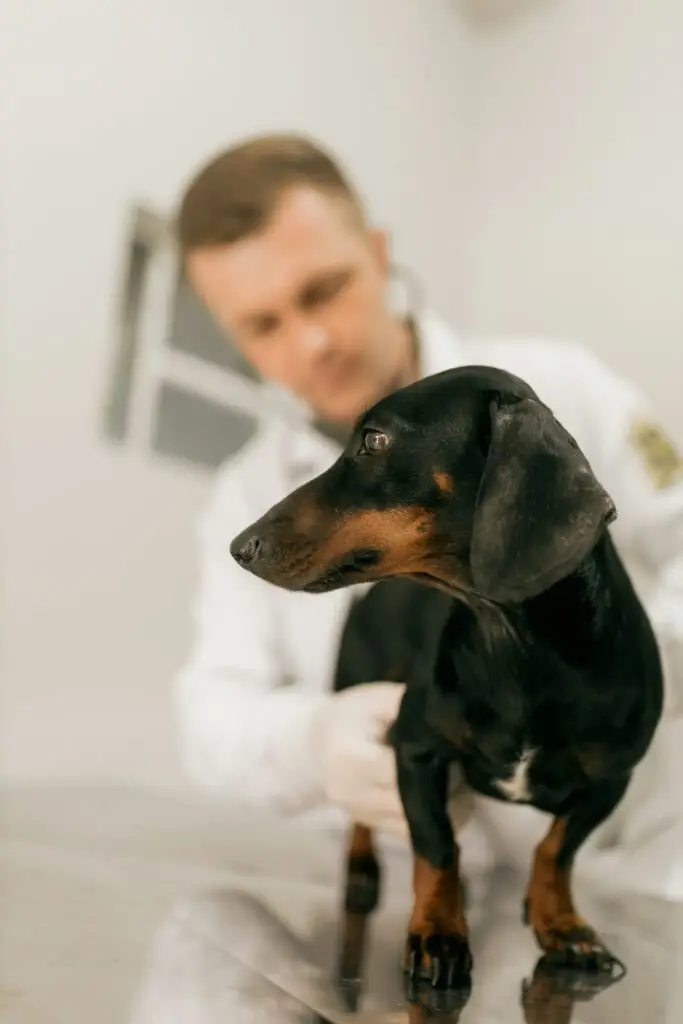
Progesterone is a hormone that stays very low through most of the heat cycle. Then, just before ovulation, it begins to climb. Because the rise follows the same pattern in nearly every female, a vet can read the stage of her cycle from a blood sample.
Counting days is far less reliable. Some females ovulate on day 5 and others after day 20. Therefore, two dogs bred on "day 11" may be a week apart in real terms.
Level (ng/mL)
Stage
What to do
Under 1.0
Baseline, early heat
Retest in 2 to 3 days
About 2 to 3
LH surge
Ovulation is about 2 days away
About 5 (4 to 8)
Ovulation
Count this as day zero
10 and above
Eggs maturing, fertile period
Breed according to semen type
These figures are typical guides. However, different machines and labs read slightly differently. So use the same clinic for the whole series, and let the vet interpret the trend. A single number means little on its own.
Most vets start around day 5 or 6 of the heat, counting the first day of bleeding as day one. After that, they test every two to three days while the level is low. Once it starts to rise, they may test daily.
With progesterone testing dogs usually need three to five samples per cycle. Some vets also check vaginal cells under a microscope, which is called cytology. It shows whether she is in early heat or full estrus, and it helps decide when testing should begin.
The eggs are not ready the moment they are released. They need about two days to mature, and then they live for another two to three days. As a result, the fertile period falls roughly two to five days after ovulation.
Natural mating or fresh semen: breed two to four days after ovulation. Many vets advise two matings, about 48 hours apart.
Chilled, shipped semen: inseminate two to four days after ovulation, and order the shipment as soon as ovulation is confirmed.
Frozen semen: inseminate three to four days after ovulation. Frozen sperm live only about 12 to 24 hours after thawing, so timing has to be exact.
See the dog artificial insemination guide for how each method is carried out.
A single test often costs about $50 to $150, depending on the clinic and whether the sample is run in-house. Therefore, a full series usually comes to a few hundred dollars. These are rough estimates, so ask your vet for a quote.
Even so, the tests are cheap beside a missed breeding. A stud fee, shipping and months of waiting cost far more. In most stud arrangements, the owner of the female pays for timing.
Tell the stud owner early. Share each result, so he can plan collection or keep the dog rested. See how often a stud dog can breed.
Ask how fast results come back. Same-day results matter most when you are using chilled or frozen semen.
Keep the paperwork. An ovulation date gives an accurate due date in the dog pregnancy calculator.
New to the cycle itself? Then start with the dog heat cycle guide and when to breed a dog in heat. When you are ready, find a health-tested stud and compare prices in the stud fee guide. Stud owners can list their stud free.
What progesterone level means a dog has ovulated?
Ovulation usually happens at about 5 ng/mL, within a range of roughly 4 to 8. Your vet will confirm it from the trend across several tests.
When should I start progesterone testing?
Around day 5 or 6 of her heat. If she has ovulated early before, start sooner.
How many progesterone tests does a dog need?
Most cycles need three to five. Females with long or irregular heats may need more.
How long after ovulation should a dog be bred?
Two to four days for natural mating, fresh or chilled semen. For frozen semen, three to four days is usual.
Can I test progesterone at home?
Some breeders own analyzers. However, results vary between machines, so most owners rely on a vet clinic.
Sources: American Kennel Club, breeding timing and progesterone, Merck Veterinary Manual, breeding management of bitches, VCA Animal Hospitals, estrus and mating in dogs. This page is general information, not veterinary advice.
Compare health-tested studs by breed, with fees and results on every profile.