
Havanese stud dogs with clearances on every profile
Cuba's little charmer has become one of the most wanted family dogs in America. With that demand, health-tested sires are in short supply. So VerifiedStuds helps you compare Havanese stud dogs by clearances, coat, color and fee, and every owner is identity verified.
$500 to $1,500+
typical fee, while champion sires cost more
3 health tests
on the Havanese Club of America list
Natural, chilled, frozen
breeding methods
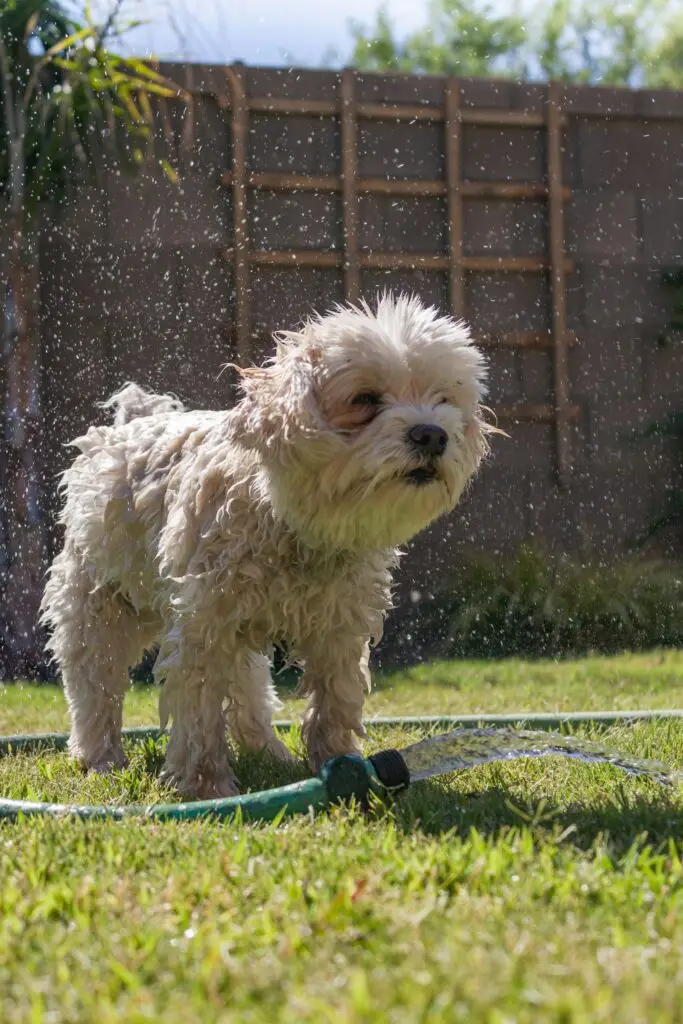
The first Havanese profiles are on the way. Meanwhile, owners of fully tested males can claim a free Founding Stud spot.
Founding Stud spot open
Lead with his eye exam date, hips, patellas and hearing result, then add his color and adult weight.
Claim this spotFounding Stud spot open
Founding Studs pay 0% commission on their first booking, and listing is also free.
Claim this spotFounding Stud spot open
Short on time? Then send us the documents, and we will build the listing for you.
Claim this spotHavanese stud fees usually sit between $500 and $1,500. A health-tested male without titles often charges $500 to $1,000. However, AKC champions and proven sires from show lines commonly ask $1,500 to $2,500.
These are market estimates, since owners set fees privately. Because Havanese puppies sell for strong prices, some owners price the service at the value of one puppy. Our stud fee guide explains that rule of thumb.
$500 to $1,500+
Overall range: $500 to $2,500
Health-tested, untitled male: $500 to $1,000
Champion or proven show-line sire: $1,500 to $2,500
The Havanese Club of America asks breeders to test before every breeding, and the AKC lists the core tests on its Toy Group health testing page. Owners upload these results for the Verified Health badge:
Test
What we accept
Eyes
Exam by a board-certified ophthalmologist (ACVO), repeated yearly
Hips
OFA hip evaluation or PennHIP
Patellas
Veterinary patellar luxation exam, registered with OFA
Brucellosis
Negative test taken before the breeding
Eye exams should be repeated every year, because cataracts can appear later. In addition, many breeders run a BAER hearing test, which the parent club also supports. Finally, look at the front legs. Short, bowed forelegs point to a bone growth problem that breeders work to avoid. Registered results appear on the OFA website.
Our health testing guides explain each of these exams in everyday language.
First, check his legs. Breeders often wet the coat, a trick called soaping, to see the true shape of the front legs. They should be straight. So ask the owner for a soaped photo from the front and the side.
Next, look at size and outline. The standard calls for 8.5 to 11.5 inches at the shoulder, with a body slightly longer than tall and a springy gait. Dogs sold as "teacup" Havanese fall outside it.
Finally, think about coat and color. Every color is allowed. However, the coat should be soft, light and wavy, not harsh or woolly. In addition, a good Havanese is outgoing and funny, never shy.
The AKC describes the Havanese as intelligent, outgoing and funny. It is the national dog of Cuba and the only breed native to the island. Adults weigh 7 to 13 pounds.
The Havanese ranked 25th in AKC registrations for 2025. It sheds little, travels well and thrives on company. As a result, puppies are in constant demand, and a tested sire helps keep quality high.
Havanese generally breed naturally and without trouble. Still, chilled semen is helpful, because fully tested males are spread thinly across the country. Frozen semen from champion lines is also available from some kennels. Each profile lists the methods on offer.
To understand timing and shipping, read the dog artificial insemination guide. Then see how VerifiedStuds works.
1
First, shortlist studs and message owners through the site to agree on dates and terms.
2
Then book the stud and pay the listed fee by card at checkout.
3
After that, accept the breeding terms before the booking confirms.
4
Finally, the owner is paid through Stripe, and you can leave a verified review after the breeding.
Own a Havanese stud? List Your Stud free. The first 100 studs pay no commission on their first booking.
Also compare Bichon Frise studs, Maltese studs, Cavalier King Charles studs and Westie studs, or see every breed on our stud dogs by breed page. Planning his workload? Then read our guide to sperm quality and breeding frequency. Owners of every breed can list here.
How much is a Havanese stud fee?
Most owners charge $500 to $1,500. However, champions and proven show-line sires can ask up to $2,500.
What health tests should a Havanese stud have?
The parent club list covers eyes, hips and patellas, and many breeders add a BAER hearing test. We also require a negative brucellosis test.
What does soaping a Havanese mean?
It means wetting the coat so the leg bones show clearly. Breeders do it to check for straight front legs.
Can I use a Havanese stud for a cross such as a Havapoo?
That is up to each stud owner. Therefore, check the profile or send a message before you book.
Do you list breeds that have no page yet?
Yes. Every breed can be listed on VerifiedStuds.
How do I list my Havanese at stud?
Create a free account, upload his clearances and photos, and set your fee. Or let our team build the listing for you.
List him free while the 100 Founding Stud spots are open, or compare typical fees first.